Nature conservation

Committed to nature conservation

Nature conservation and biodiversity have become increasingly important in light of the steady decline in species diversity and have moved firmly into the public spotlight.

Munich Airport takes its special responsibility in this area very seriously and goes far beyond its obligations with its commitment to nature.

With this program we protect natur around the airport

Conservation program

Spotlight: Nature protection

Flowering meadow

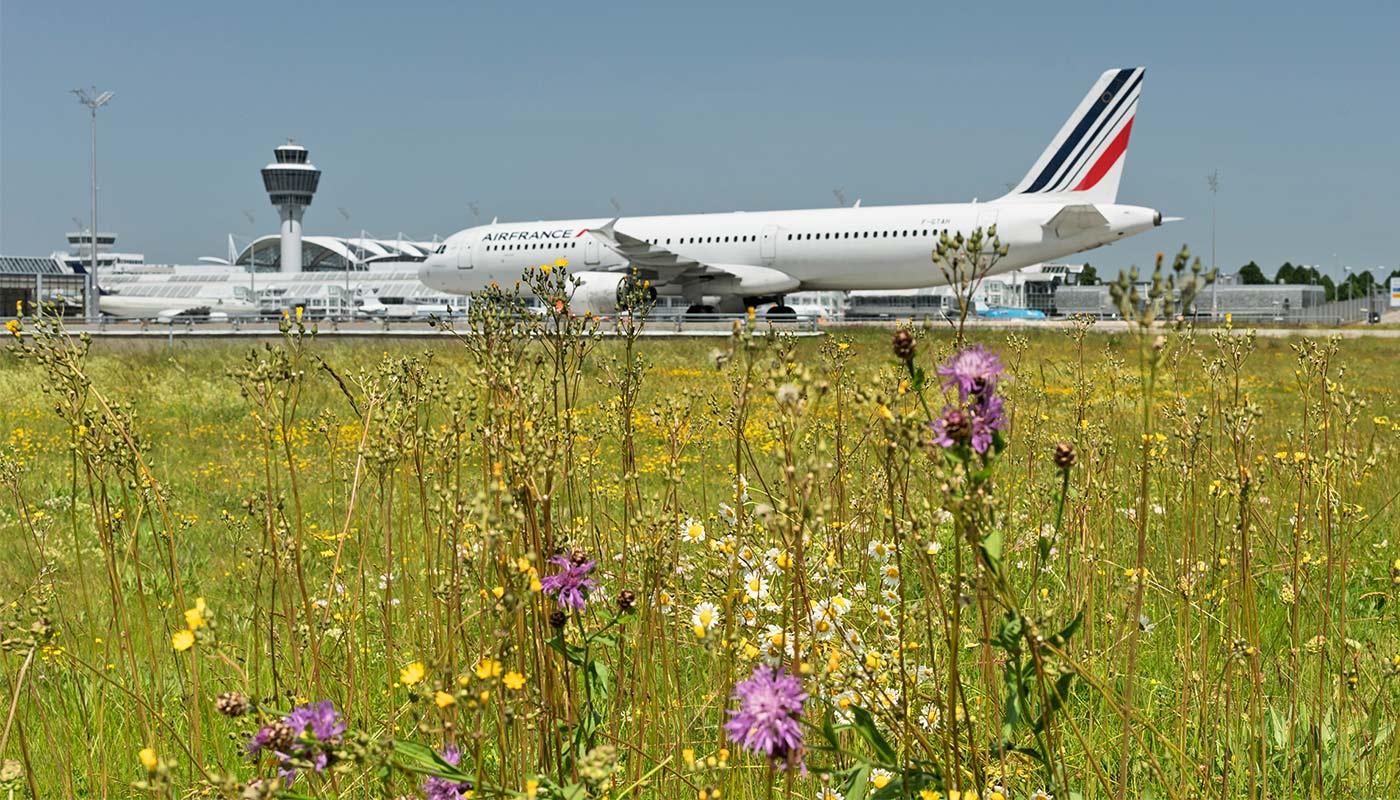
On the airport lawns

Video: Nadja Braun guides us through the "Nördliches Erdinger Moos" bird sanctuary

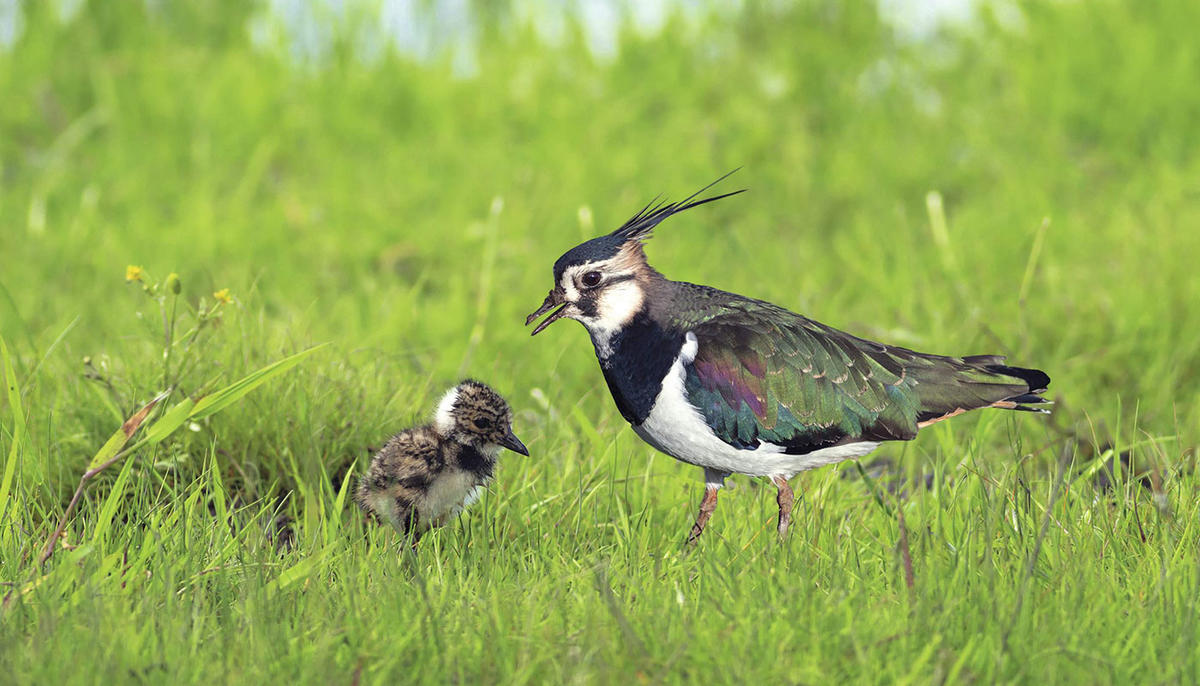
The meadow birds at Munich Airport

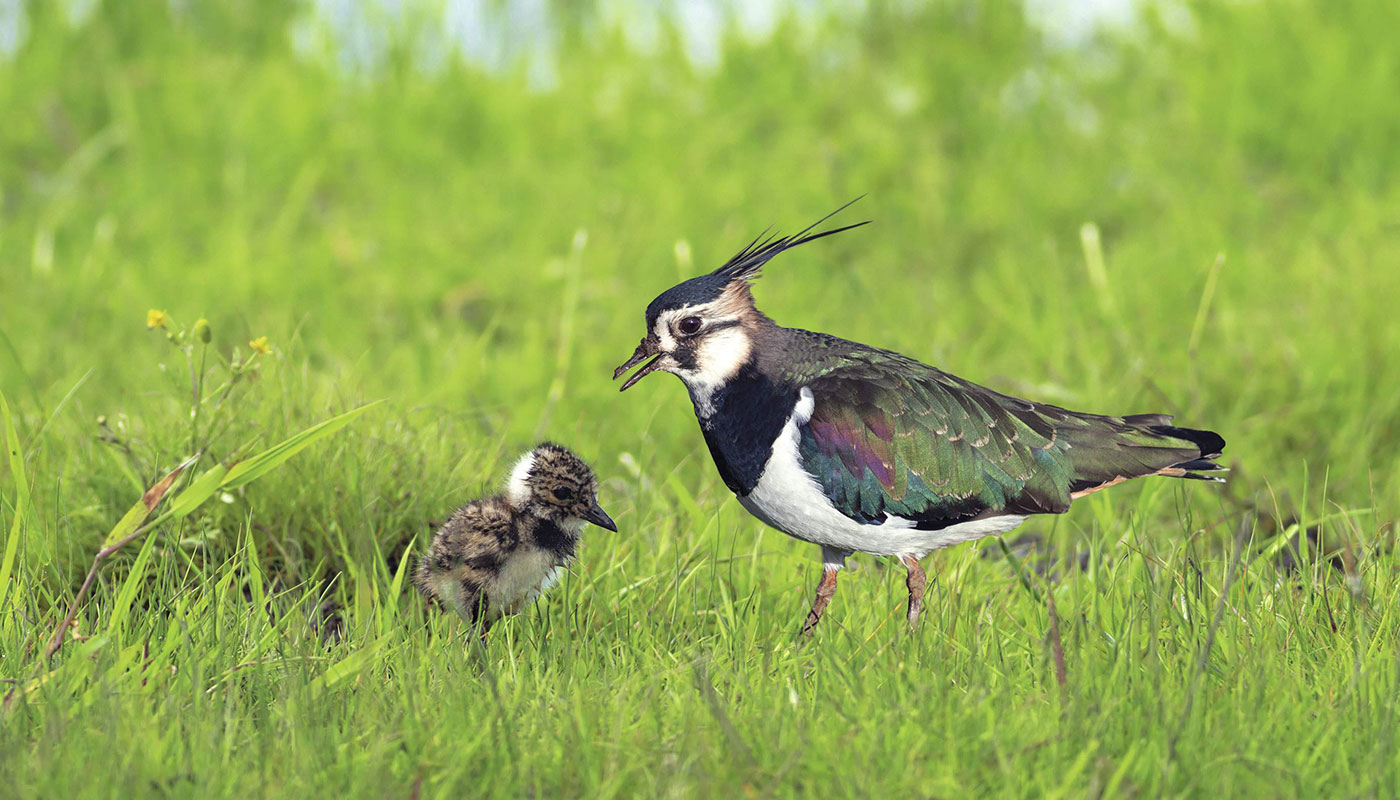
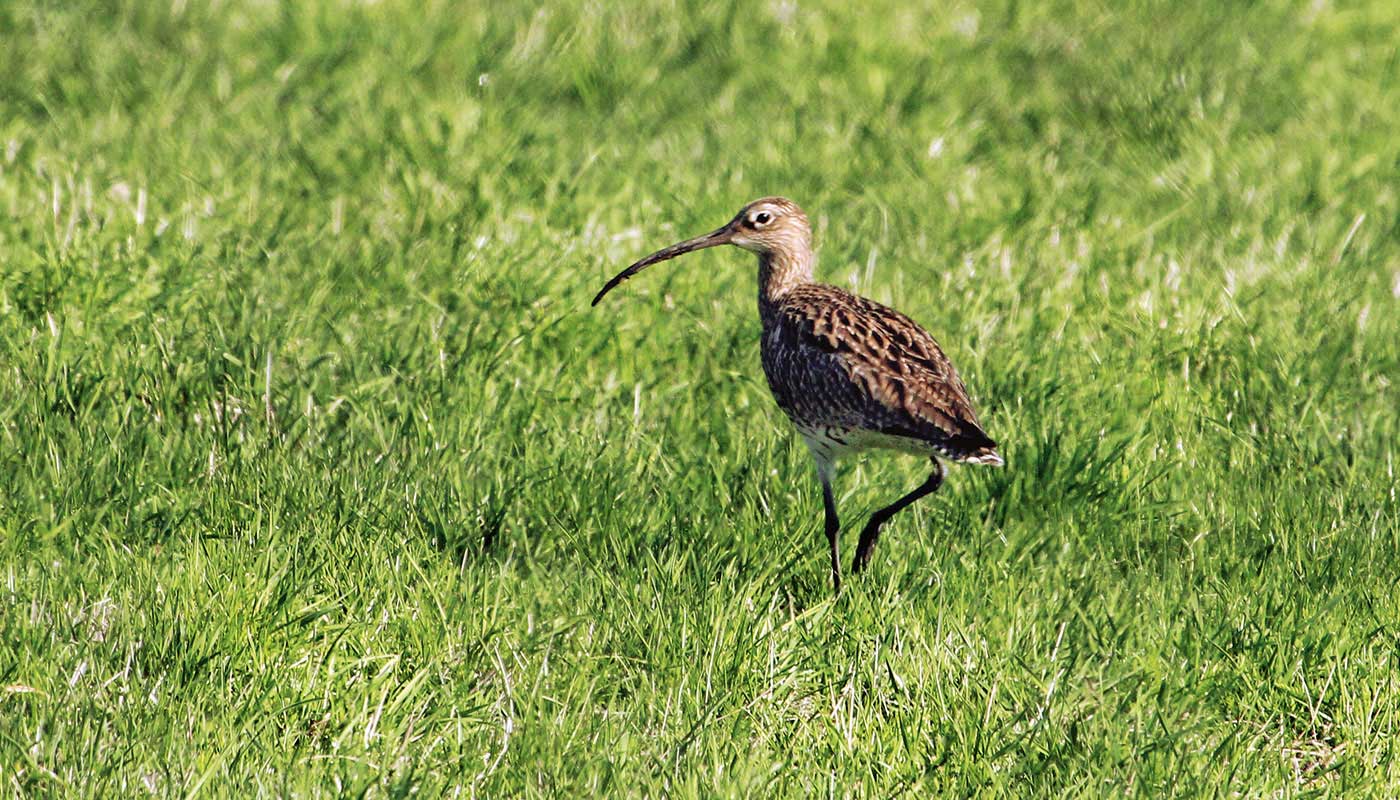
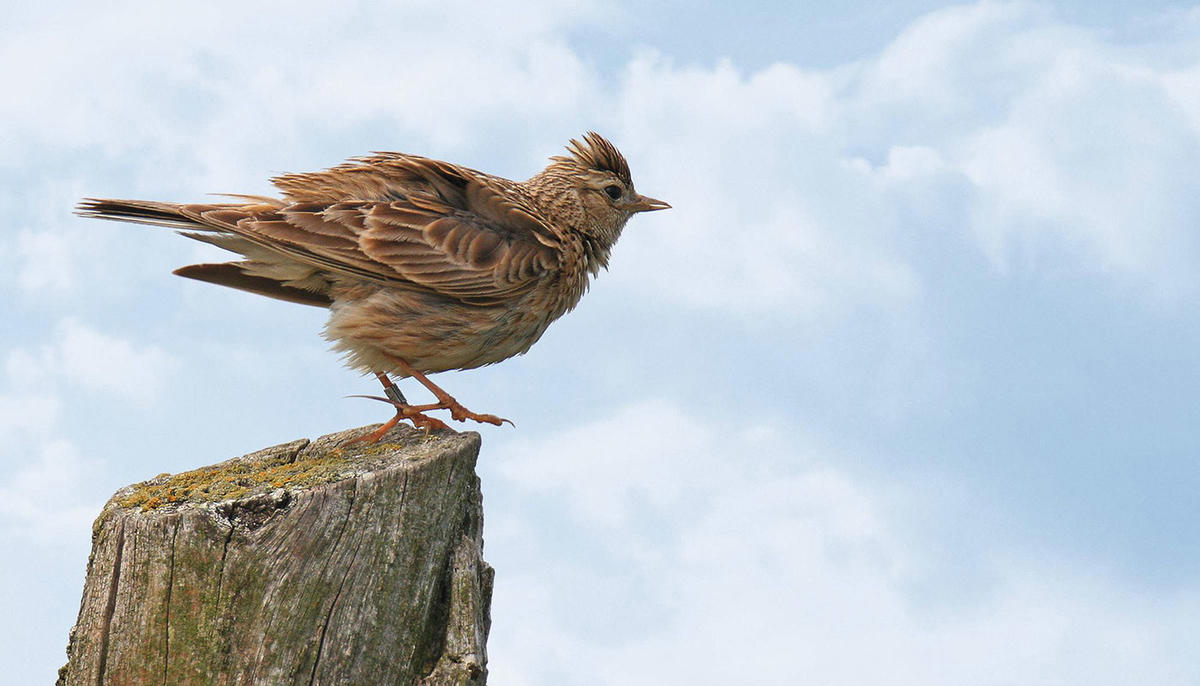
The "Nördliches Erdinger Moos" bird sanctuary covers more than 4,500 hectares, including 666 hectares of meadows in the immediate vicinity of the runways.

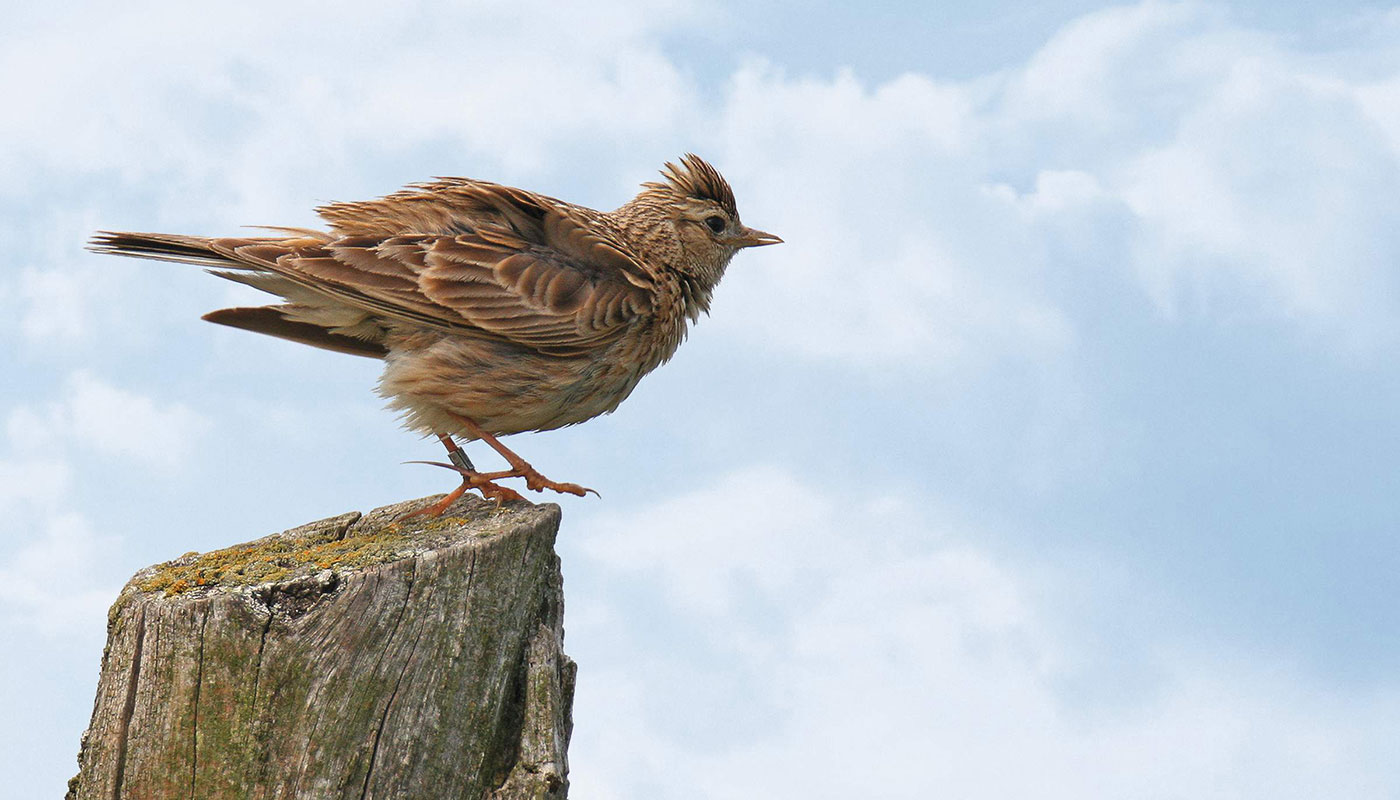
These airport meadows in particular have become a valuable refuge for numerous endangered bird species. The curlew is particularly noteworthy: for this bird, the areas at Munich Airport represent the most important breeding ground in the whole of Bavaria.

Munich Airport thus impressively demonstrates that technical infrastructure and active nature conservation are not mutually exclusive, but can coexist in a balanced way.

Find out more here.

Biodiversity in the catchment ditch

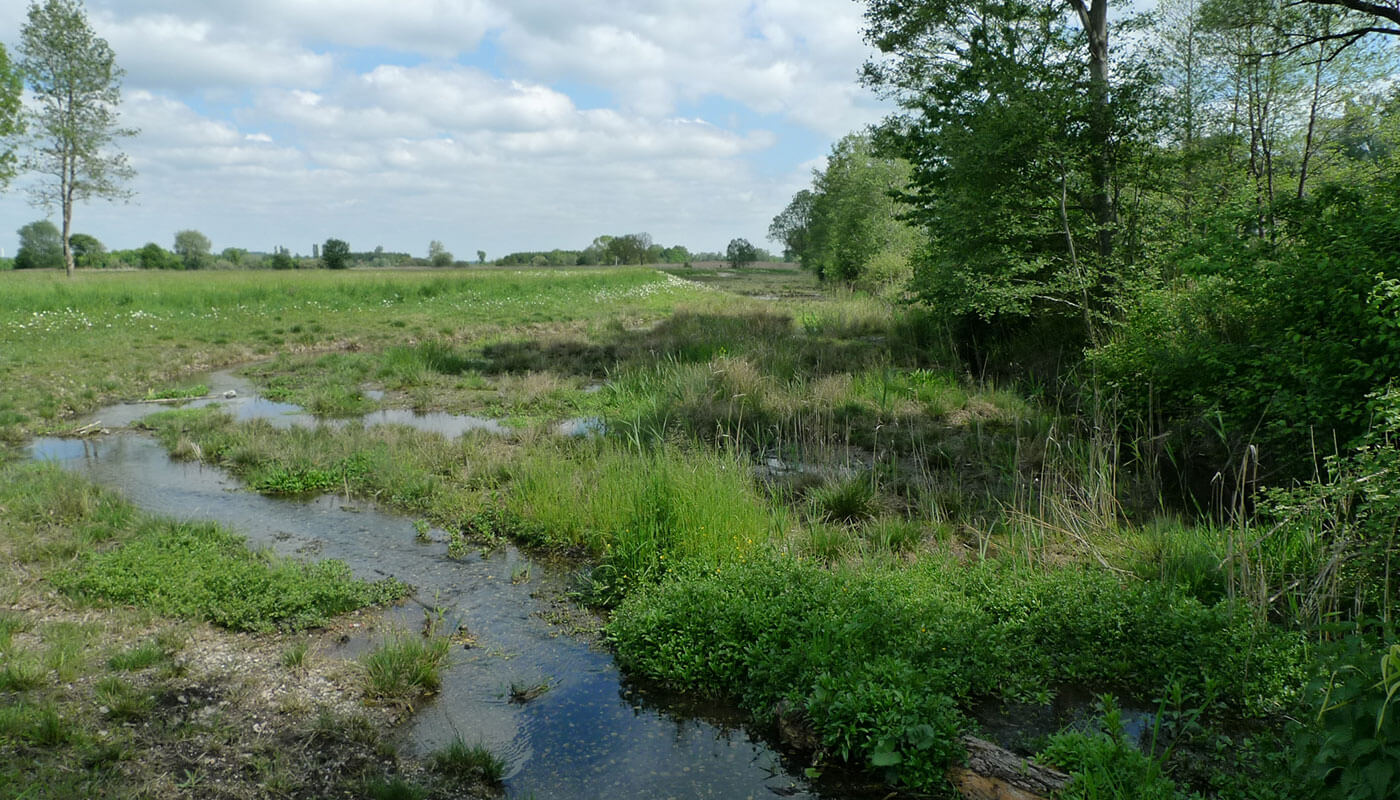
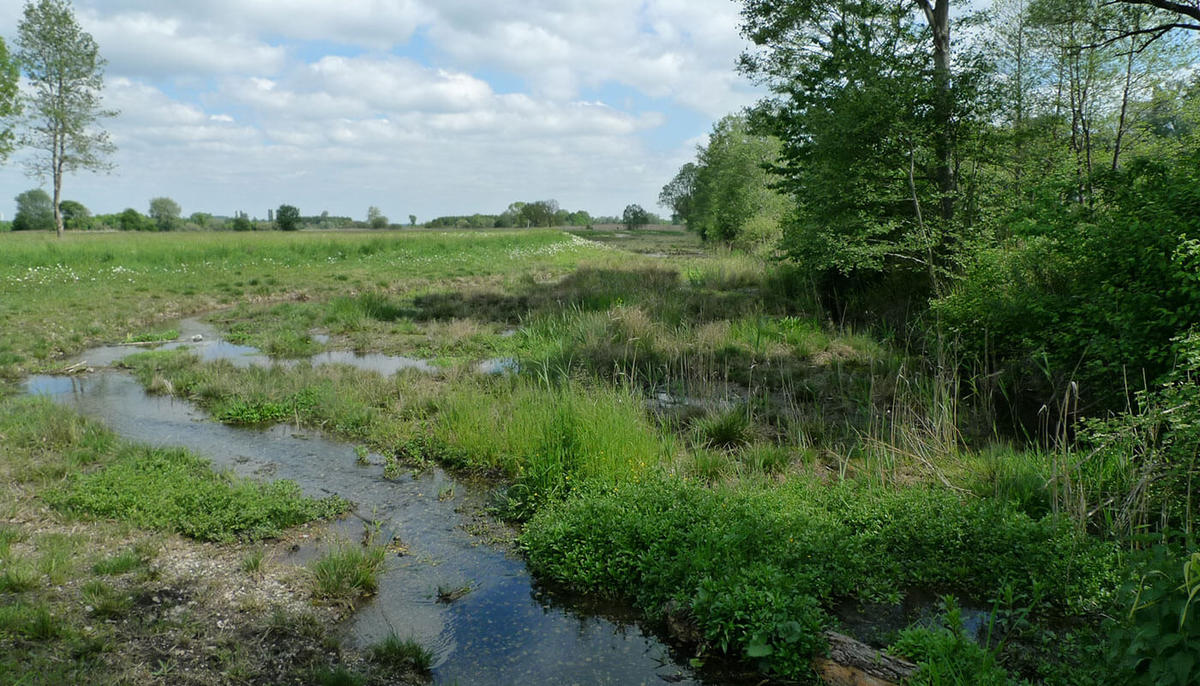
Along with the compensatory and replacement areas created outside the airport fence, valuable animal and plant species have also become established there. Through the habitat diversity in the form of dry and wet zones along the catchment ditch system constructed around the airport as a flood protection measure, many animals and plants find the conditions they need to thrive.

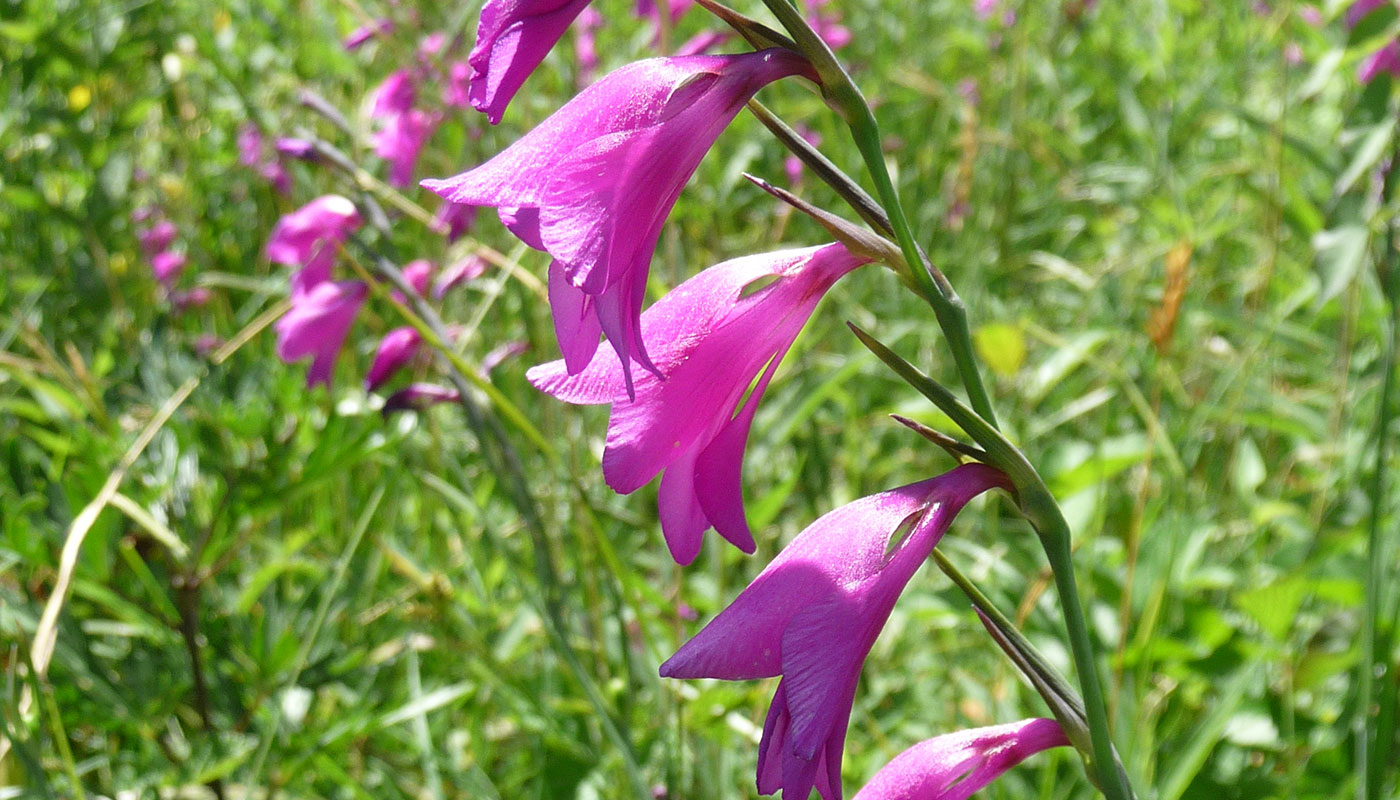
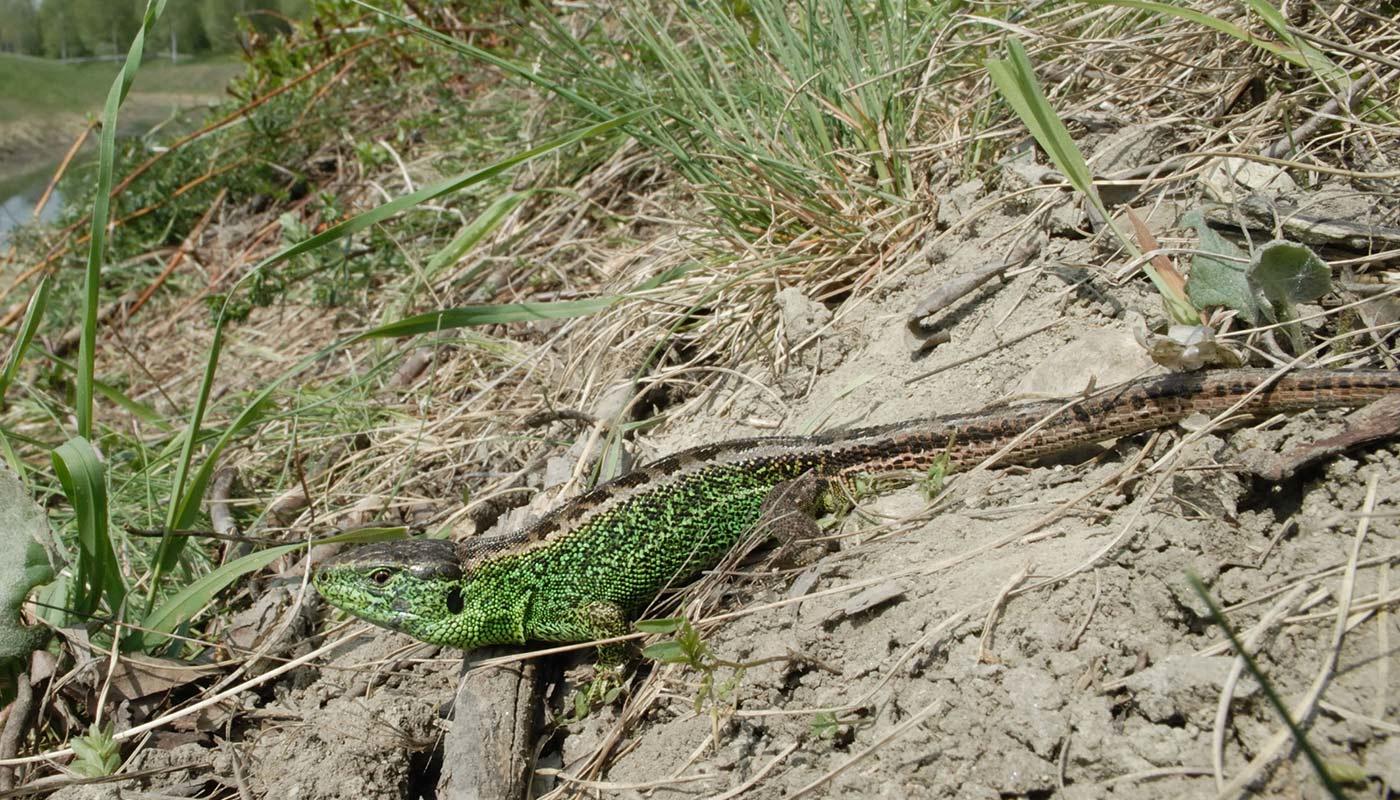
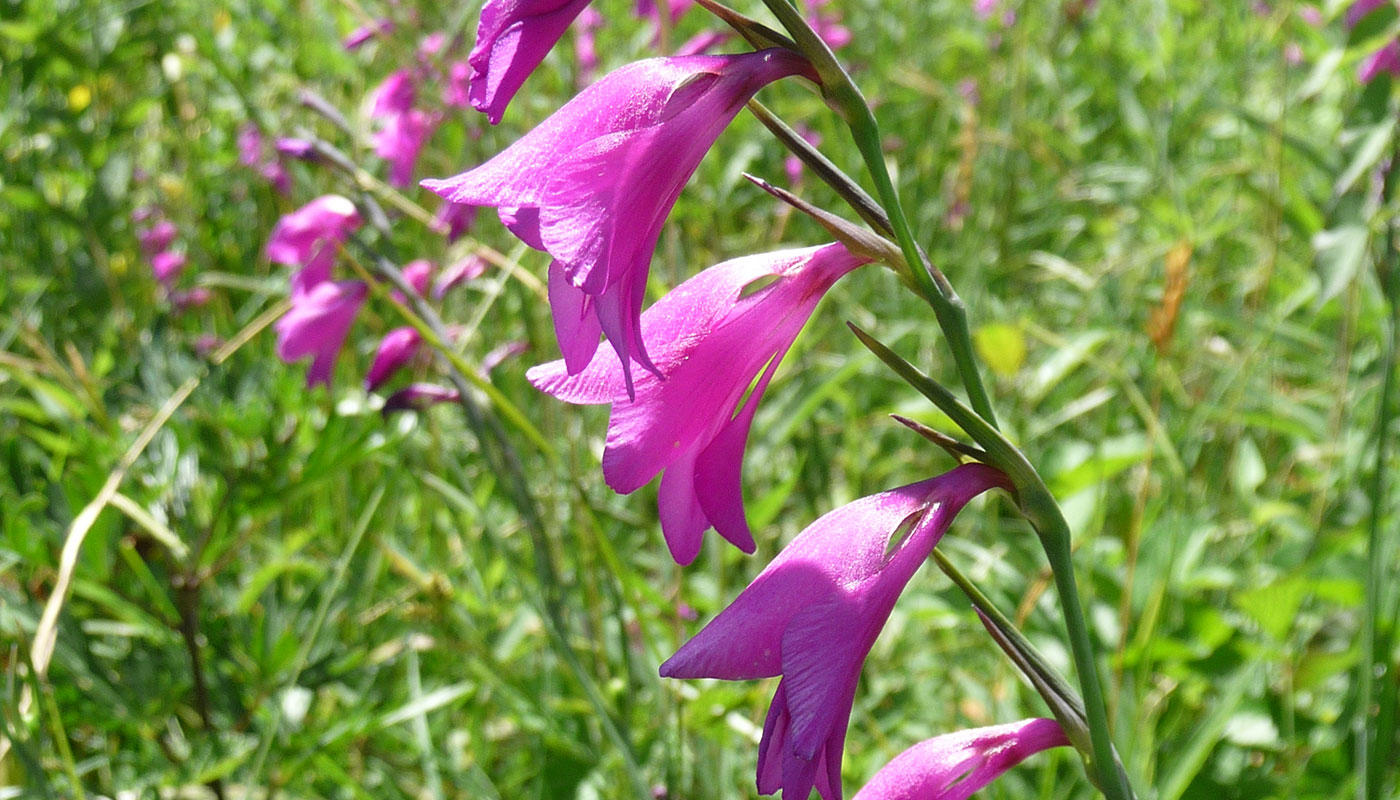
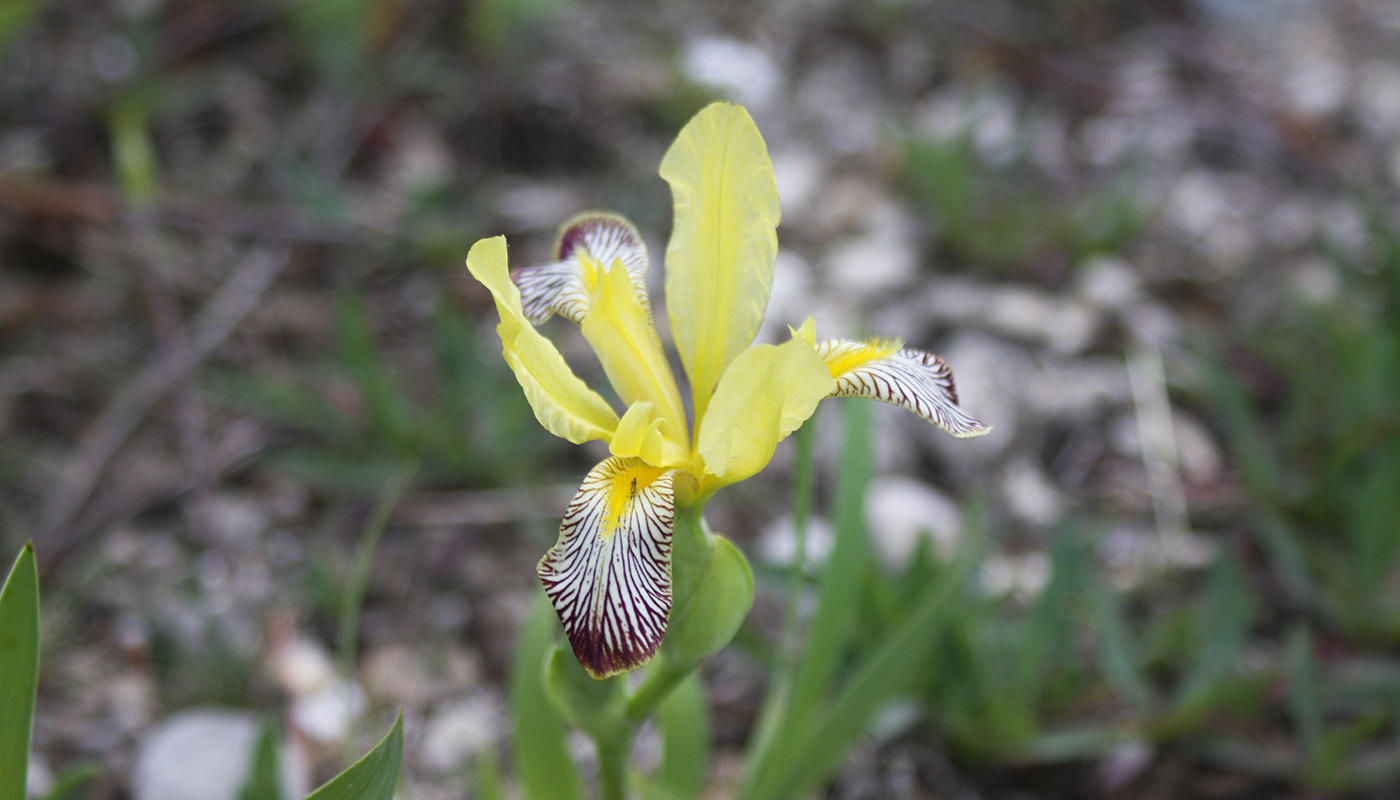
Sand lizards feel completely at home on top of the dry, sun-drenched embankments. They choose mainly the upper reaches of the catchment ditches as habitat. In the lower lying wet zones, numerous plants can be found – including some endangered species – such as King Charles's sceptre, the Siberian iris, marsh gladiolus, and various orchids.

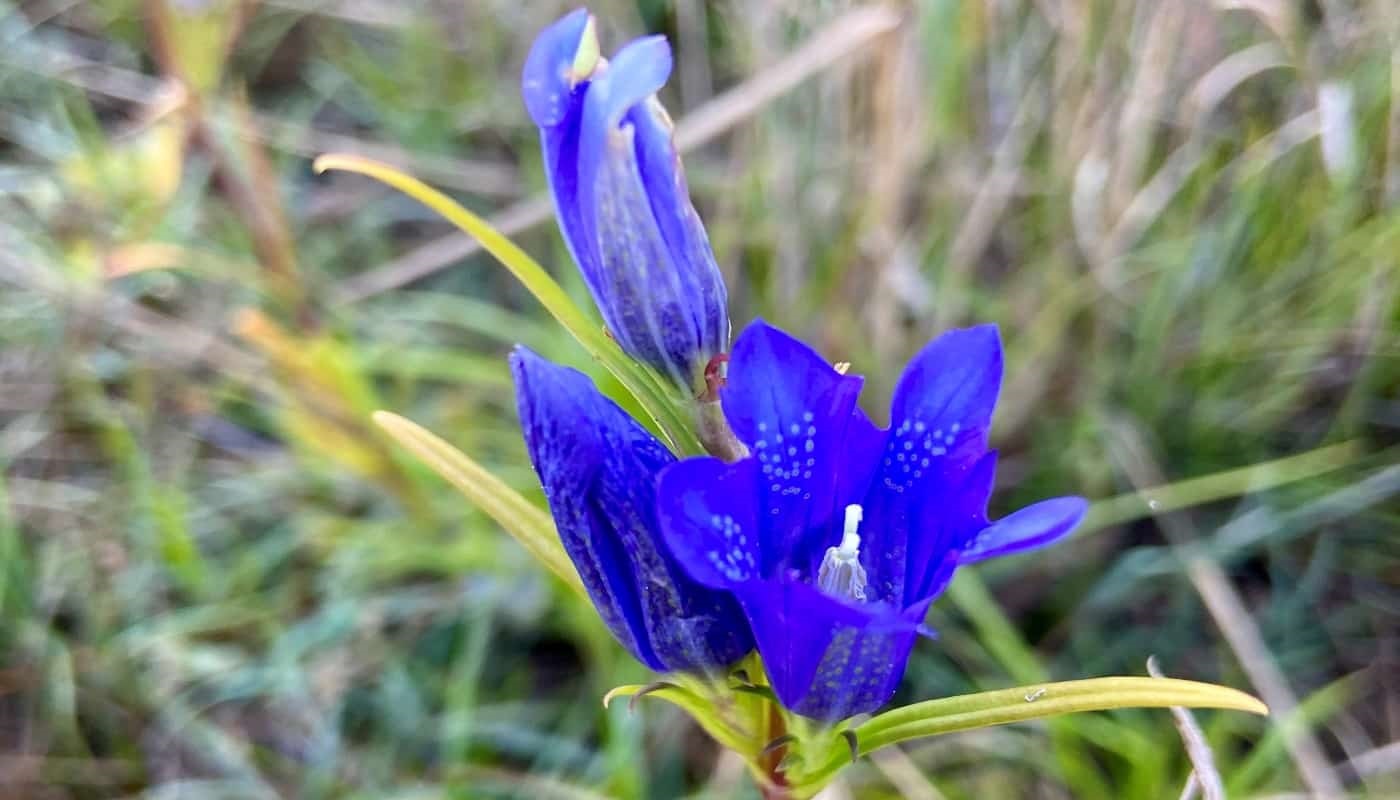
Sand lizard, marsh gladiolus, Siberian iris

Insect hotels at Munich Airport

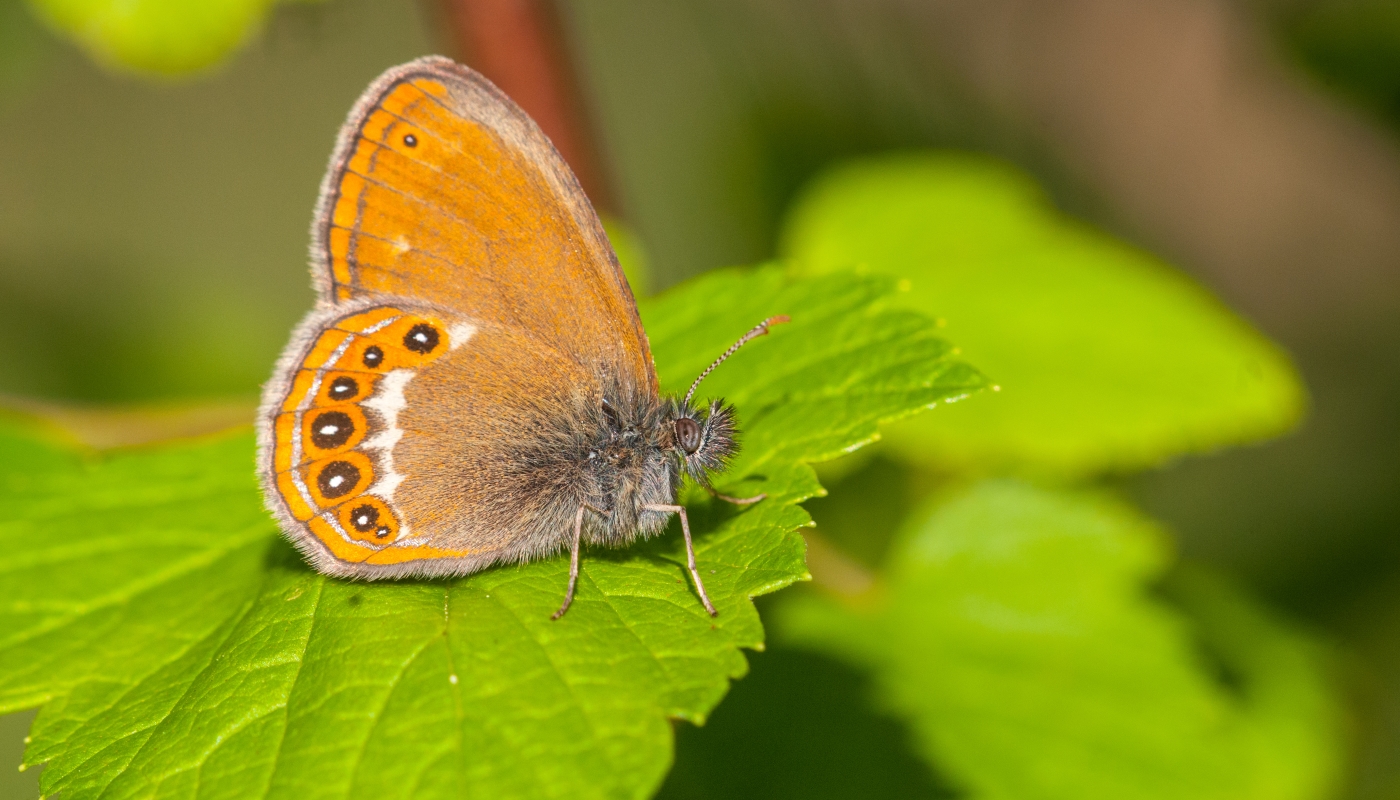
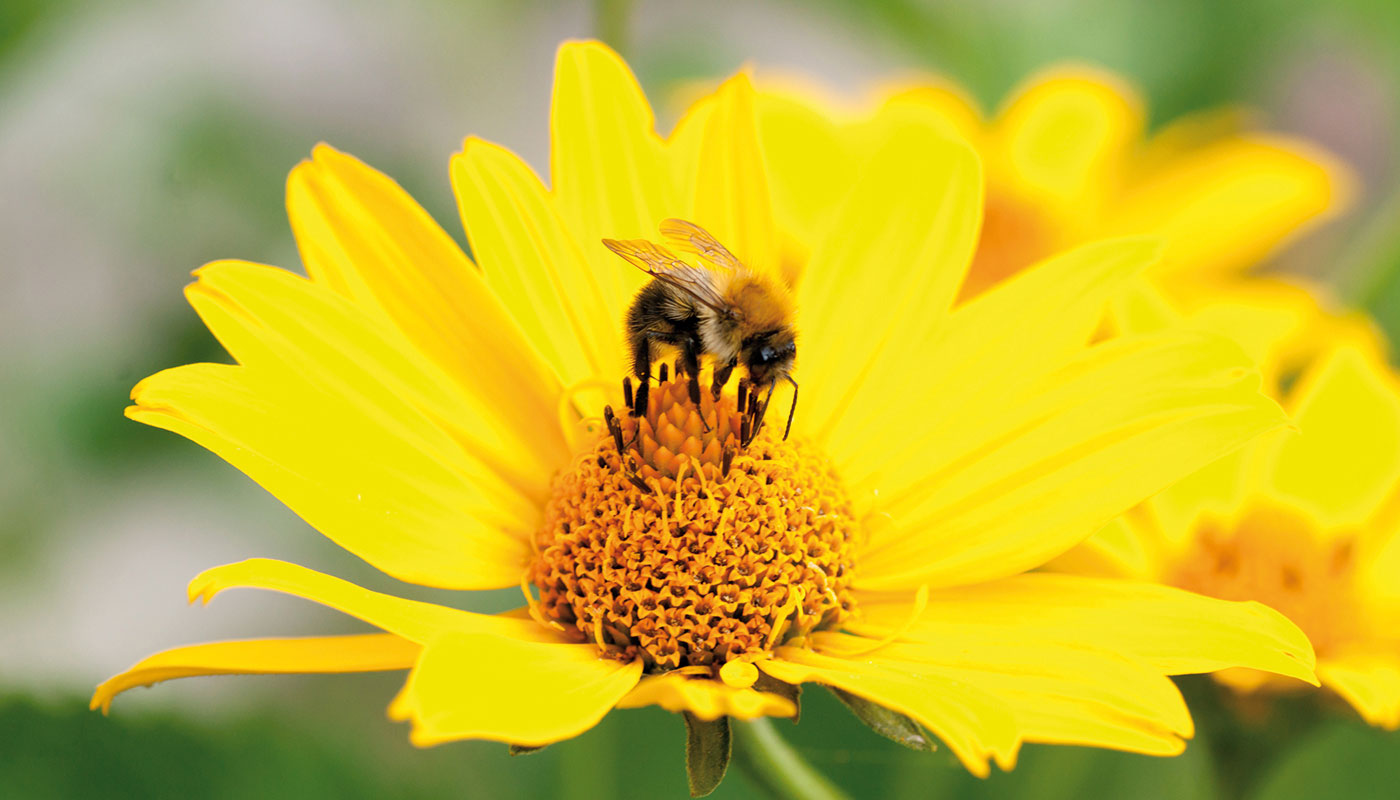
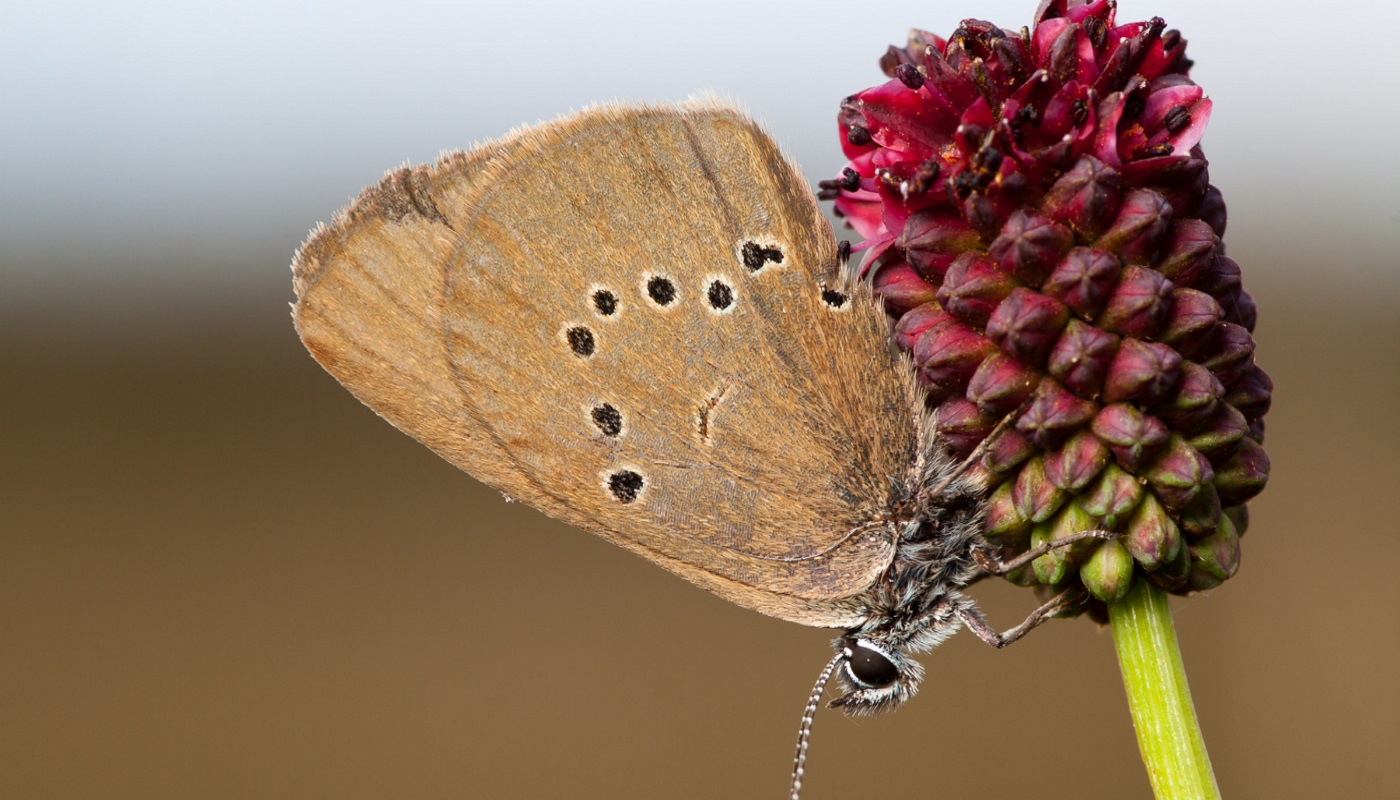
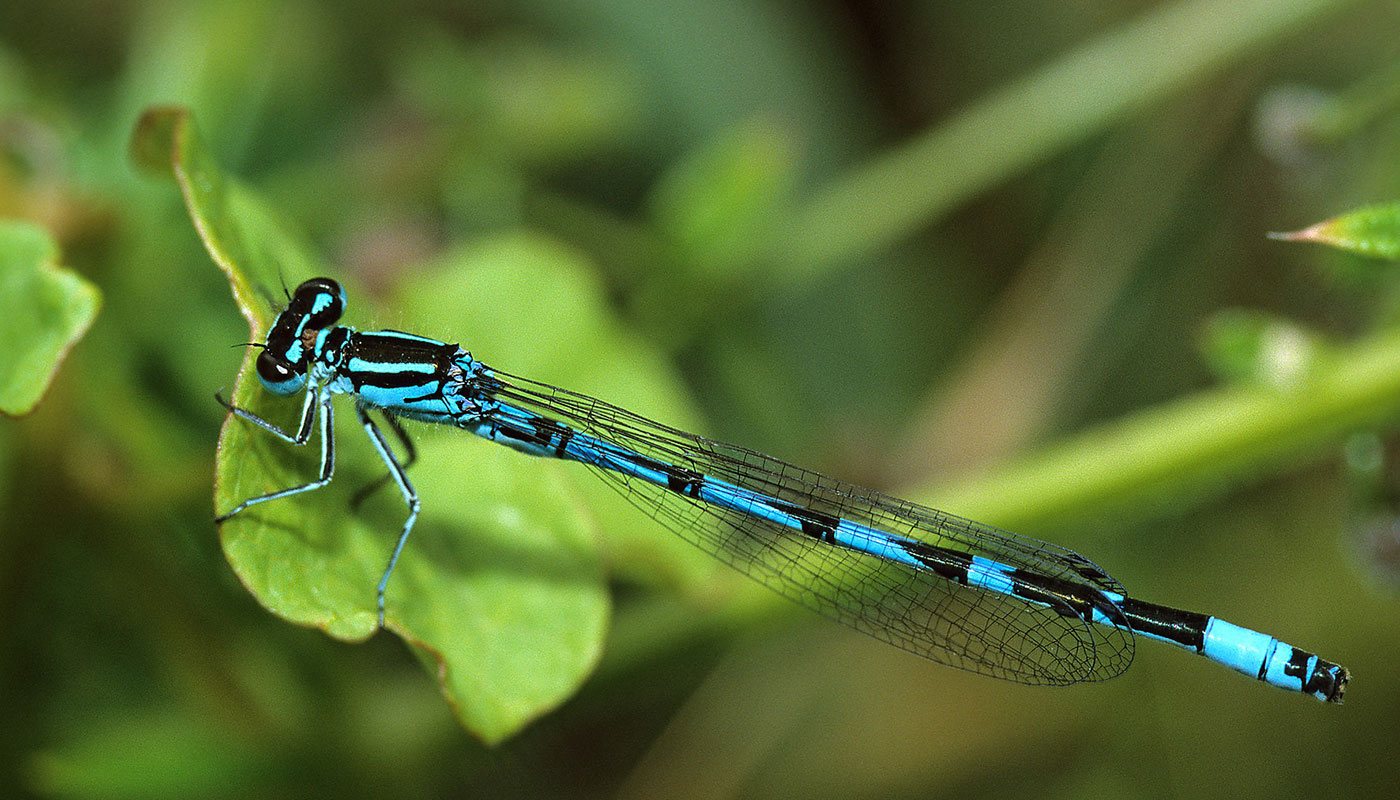
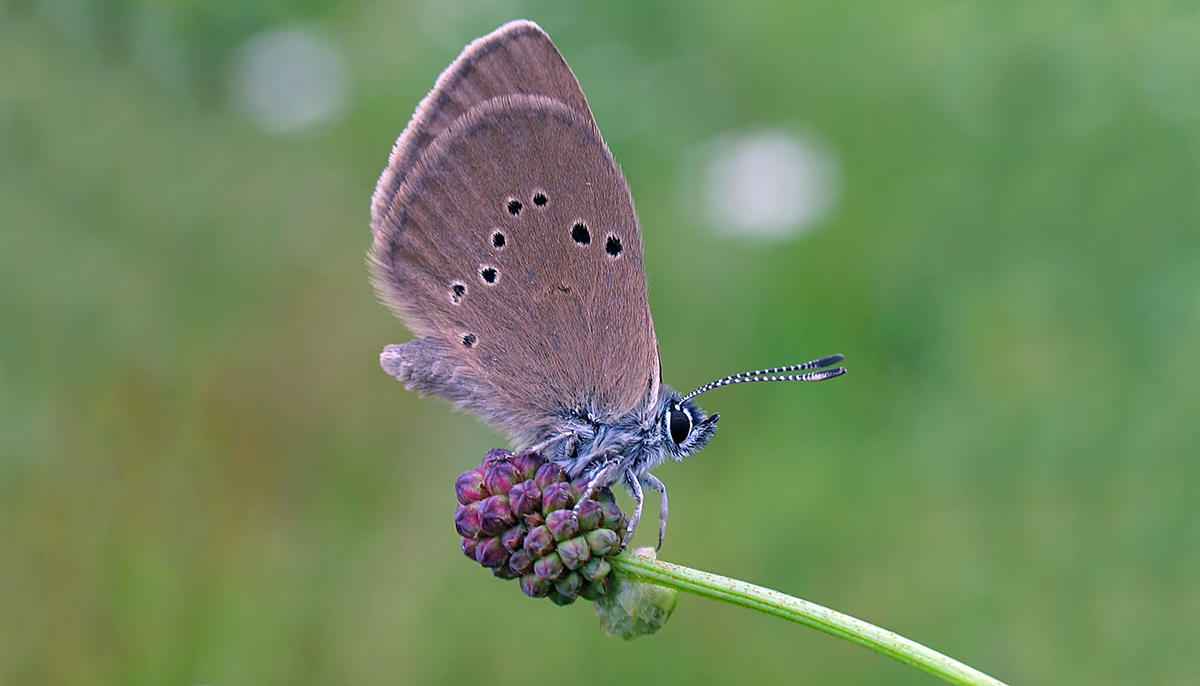
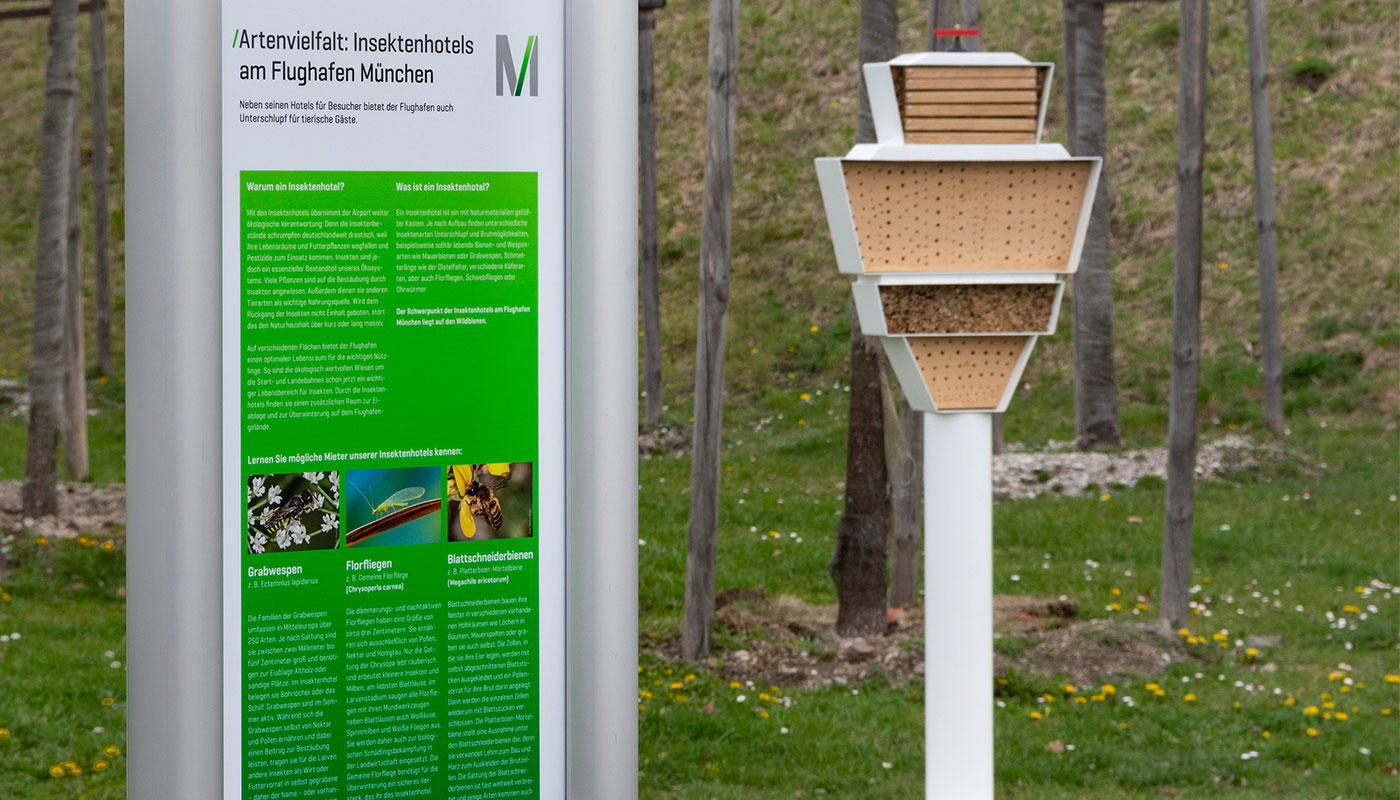
Because the meadows surrounding the runways offer ideal conditions for the insects found there, there are many native species present. To help these little guests feel even more at home, the airport is building insect hotels to create additional breeding and refuge sites. The insects are also a part of the biodiversity at Munich Airport.

The extensive and carefully maintained meadows around the runways are already home to many insect species. These green spaces are mowed just twice a year and are not treated with herbicides. To help the little guests feel even more at home, the airport is planning to build insect hotels to create additional breeding and refuge sites. They are intended above all for solitary bee and wasp species such as masked bees, hairy-footed flower bees, ruby-tailed wasps and digger wasps. Green lacewings find refuge here, too. The insect hotels are a further part of the efforts to preserve and enhance biodiversity at Munich Airport.

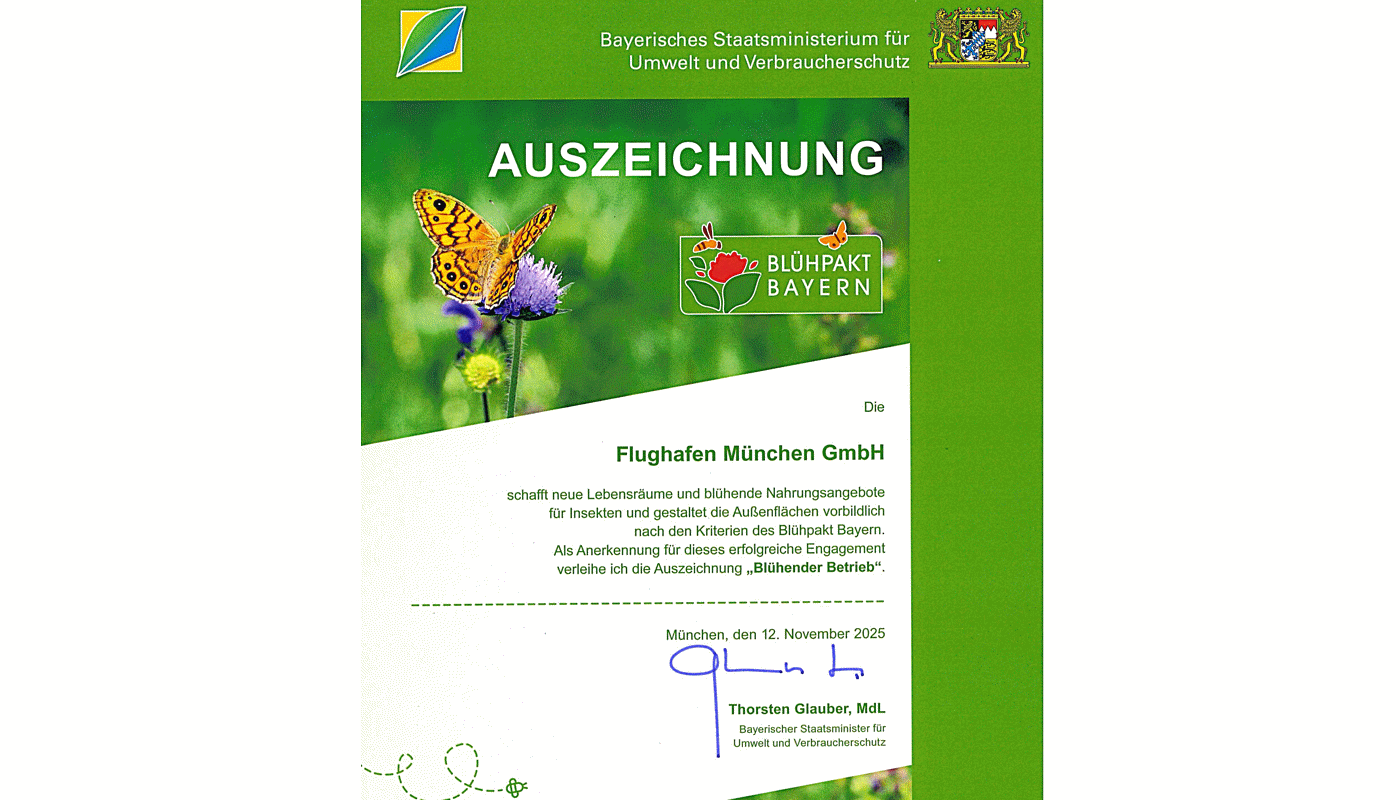
Award for "Blühender Betrieb"

Since June 24, 2019, Munich Airport has been certified as a “Blühendes Unternehmen” (flowering company) by the Bavarian Ministry of the Environment. The award, which is part of the “Blühpakt Bayern” (Bavarian Flowering Pact), means that FMG meets the following criteria:

  • At least 20 percent of the open spaces on the company premises must be designed as near-natural flowering areas.

  • No extensive use of chemical pesticides.

  • Areas of the flowering areas remain unmowed over the winter to preserve insect breeding and hibernation sites.

  • No use of peat-containing substrates in the design and maintenance of open spaces.

The several hundred hectares of nutrient-poor grassland along the runways and around the administration buildings provide an ideal habitat not only for many endangered meadow bird species but also for a wide variety of insect species, including many solitary bee and wasp species.

  • Blühende Flughafenwiese
  • Urkunde vom Blühpakt Bayern ausgestellt
  • Blühpakt Bayern

Nature conservation at the airport has many facets. Read more about it

Conservation concept and landscape design

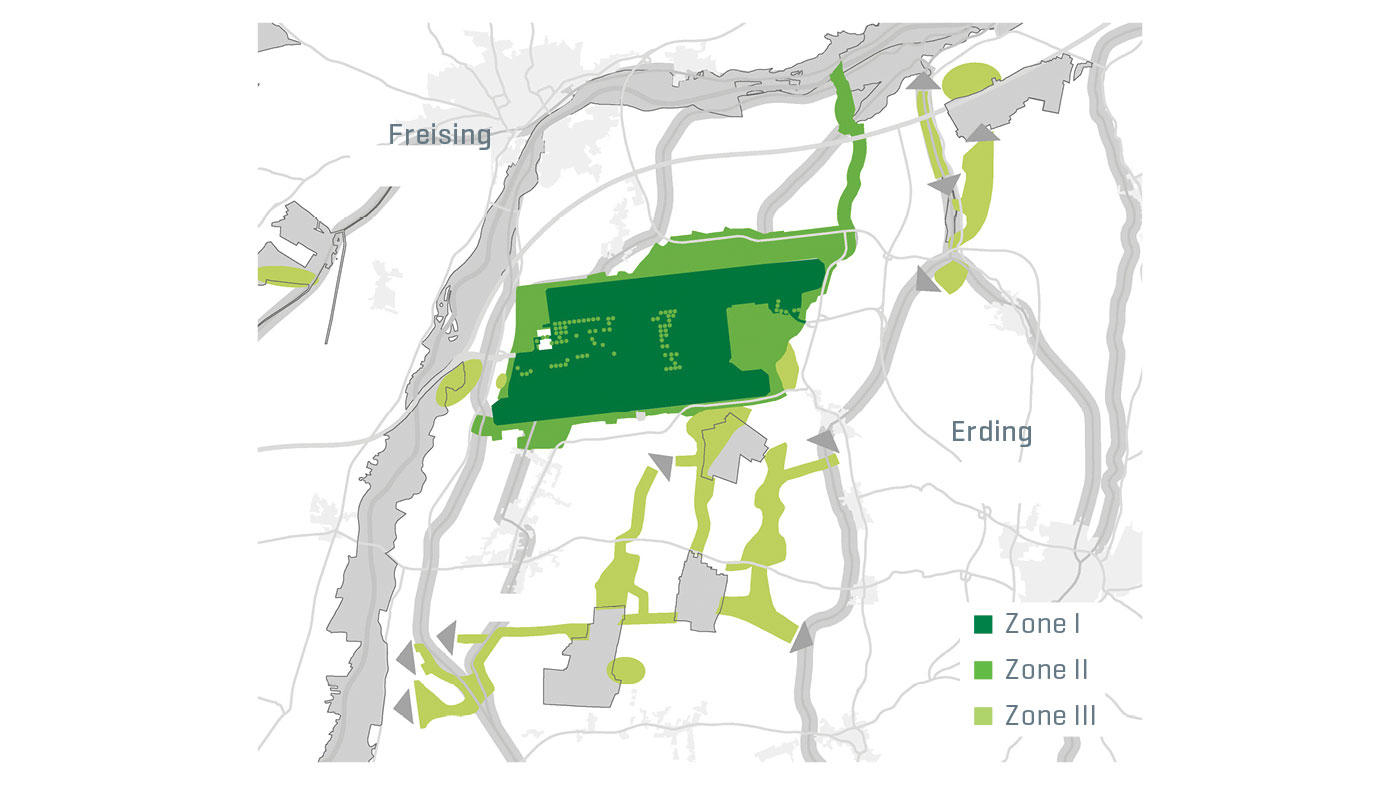
The idea of integrating Munich Airport into its environment in the best possible way has been a major part of the planning concept right from the start. This is why FMG has created structures to upgrade the environment in the wider area and link the areas together. The concept divides the areas in Erdinger and Freisinger Moos into three zones.

Zone I: airport premises with take-off and landing runway system, buildings, and roads

All areas on the airport premises that have not been developed or sealed have been designed as high-quality green areas, featuring over 6,000 planted trees. Specialist care and maintenance has led to varied species of vegetation growing on large areas of the airport, with some areas even filled with valuable low-nutrient grassland. The green areas around the runway system are important parts of the "Nördliches Erdinger Moos" bird sanctuary.


Zone II: wooded green belt with structural diversity around the airport premises

This acts as a buffer for settlements and agricultural premises and integrates the airport's buildings into the surrounding landscape.


Zone III: planning space for ecological compensation measures

Compensation and replacement areas are planned, developed, and maintained on the basis of current legislation set out in the German impact regulations under nature protection law, species protection law, the European conservation zone for the Natura 2000 network, and forestry laws. As well as fulfilling a compensatory role for Glossary conservation and the landscape, these individual measures also improve existing vegetation in need of protection. For instance, they create biotope corridors, that also link conservation areas to flowing bodies of water. Furthermore, FMG has the measures checked by the relevant authorities to make sure they comply with requirements.