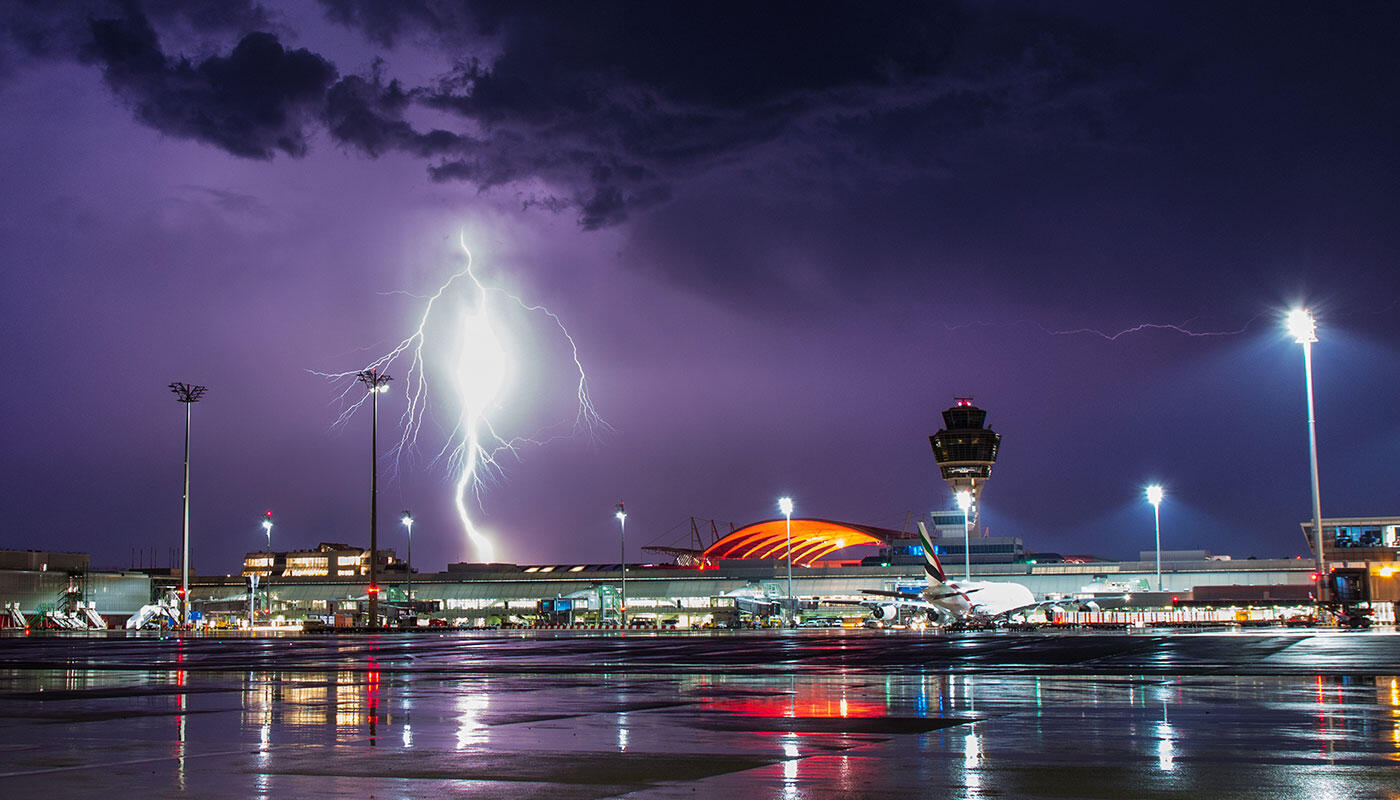
Extreme weather events have far-reaching effects on water supply and quality in parts of the world. Floods destroy infrastructure, while droughts exacerbate water shortages. Munich Airport is preparing for these challenges and taking targeted measures to strengthen its resilience.
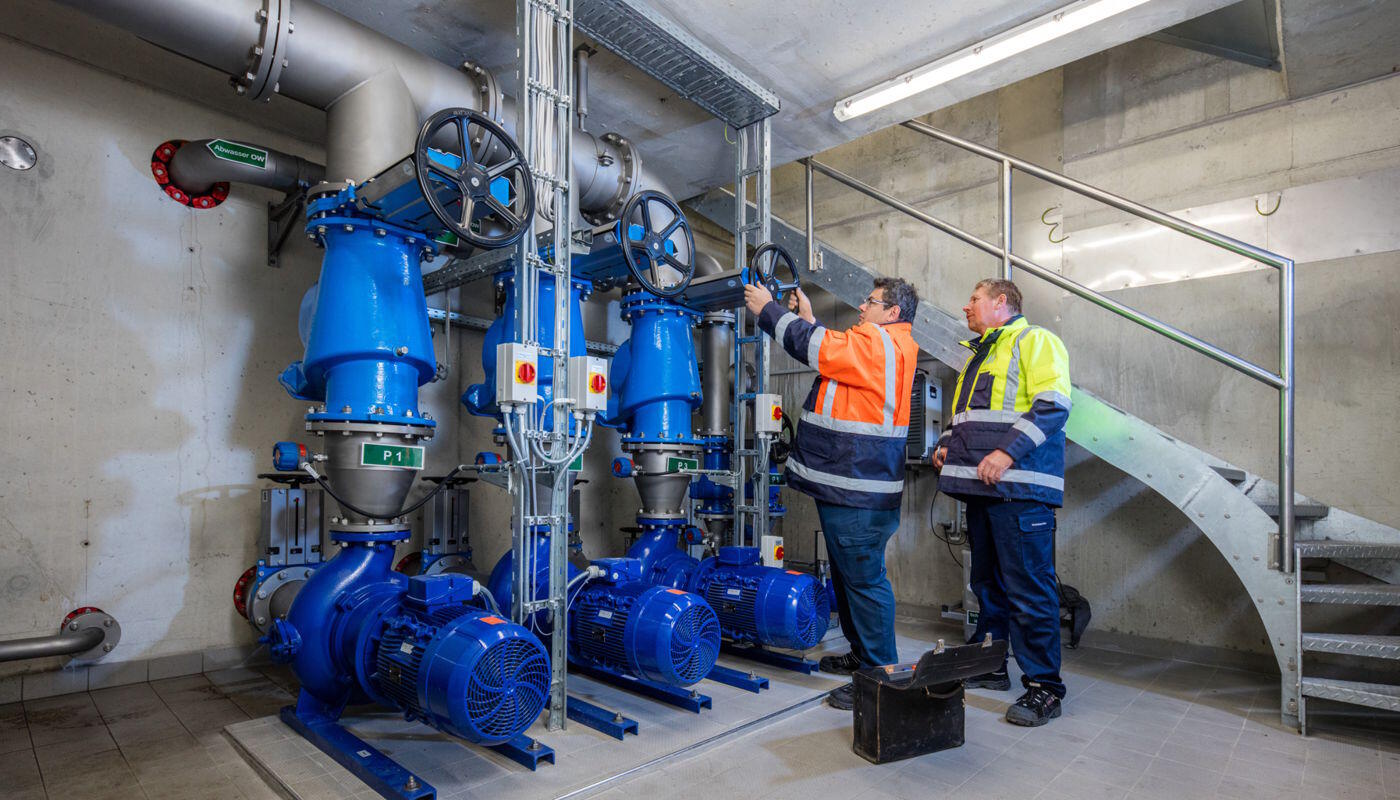
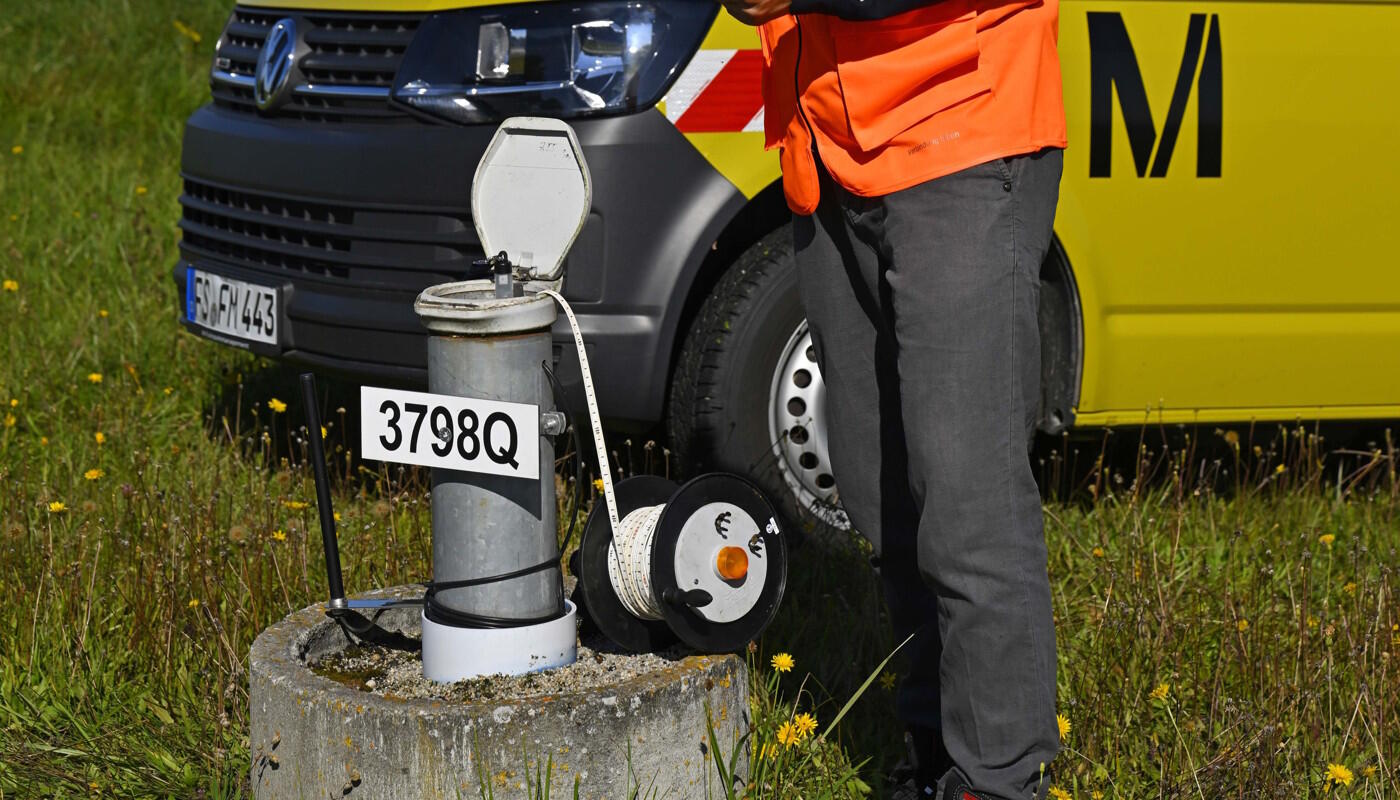
But protecting against water is not the only important task. Every day, the airport requires water in varying quantities and of varying quality—high-quality drinking water, as well as water for industrial and operational use, or for firefighting. A complex drainage system ensures that wastewater from various sources is collected separately and, whenever possible, reused or, if necessary, treated before it re-enters the water cycle. A modern monitoring system with a sophisticated network of groundwater monitoring stations and measuring devices along ditches and streams ensures comprehensive qualitative and quantitative monitoring of the various water flows.
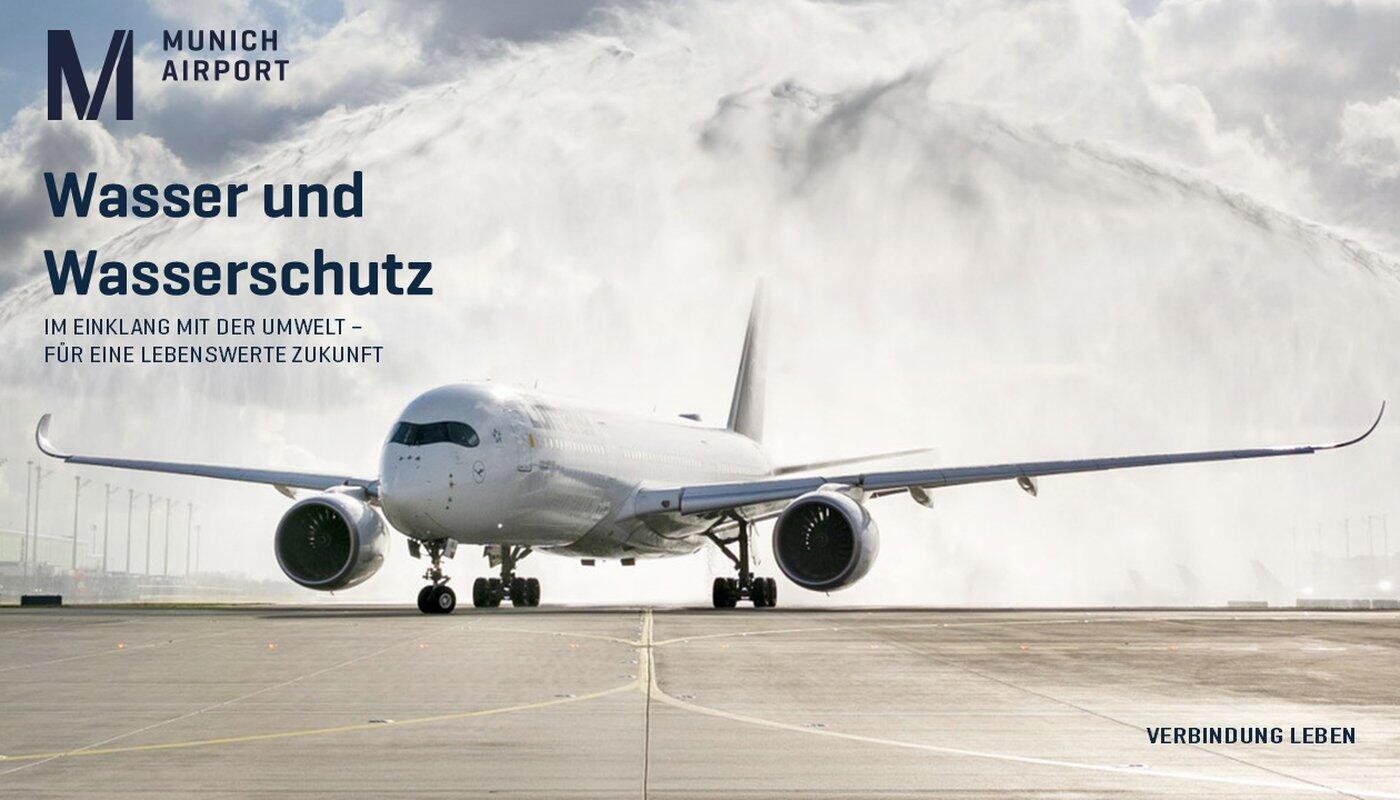
In the brochure “Water and Water Protection”, Flughafen München GmbH provides information on the many areas of involvement and measures taken by Munich Airport regarding water. At the same time, it highlights the importance of forward-looking water management and effective preventive strategies.