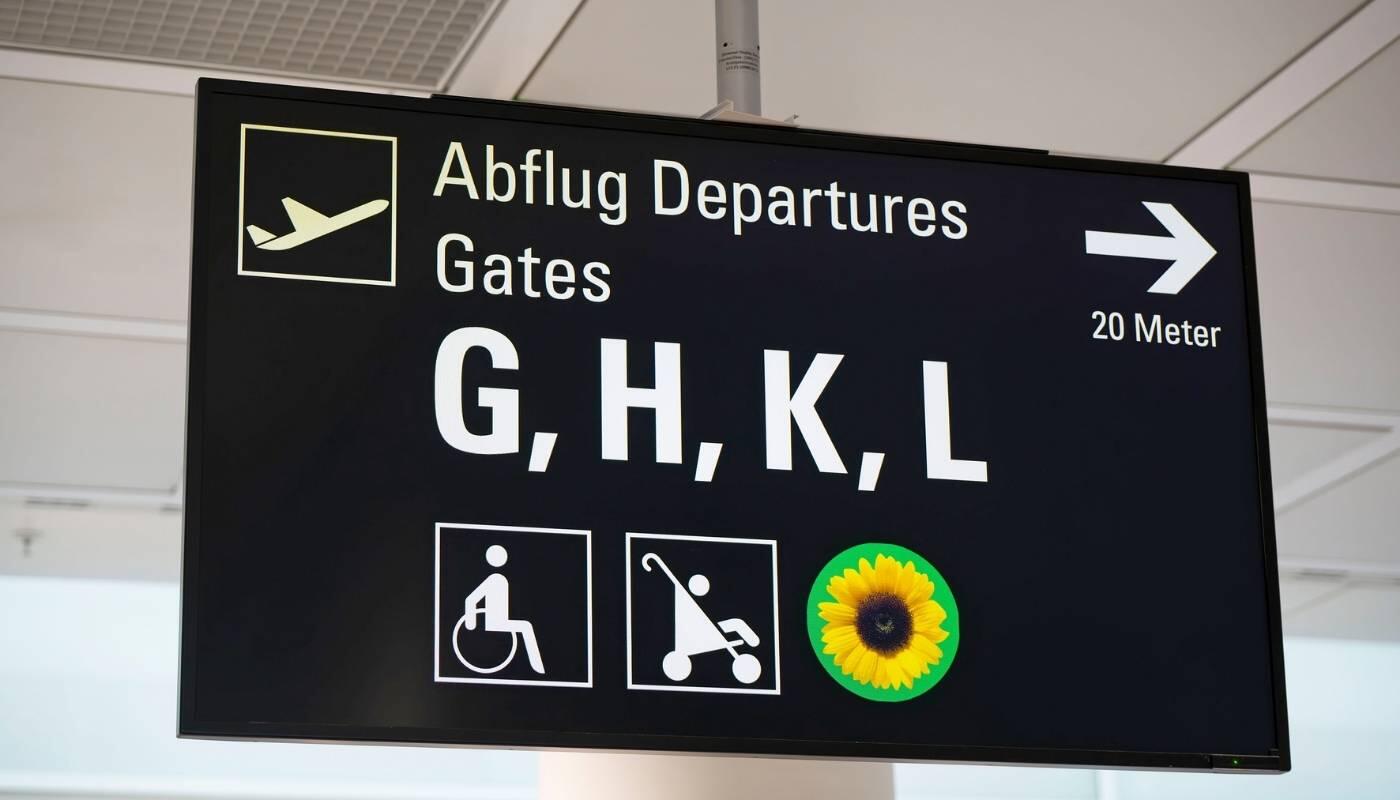
Ms. Bosch, the yellow sunflower on a green background is becoming an increasingly common sight at Munich Airport. What is the Sunflower Initiative all about?
Lena Bosch: The sunflower is an internationally recognized symbol for people with invisible disabilities. These include, for example, autism, ADHD, anxiety disorders, or chronic illnesses. Many of these challenges aren't visible to others but can make traveling significantly more difficult. Airports are complex places filled with sensory stimuli, time pressures, and constantly changing situations. With the Sunflower lanyard - the green lanyard featuring the sunflower - affected passengers can simply and discreetly signal: "I may need a little more support or understanding." For us as an airport, this program is a key component in making travel possible for as many people as possible, while making it more pleasant and accessible.
What specific support do passengers receive?
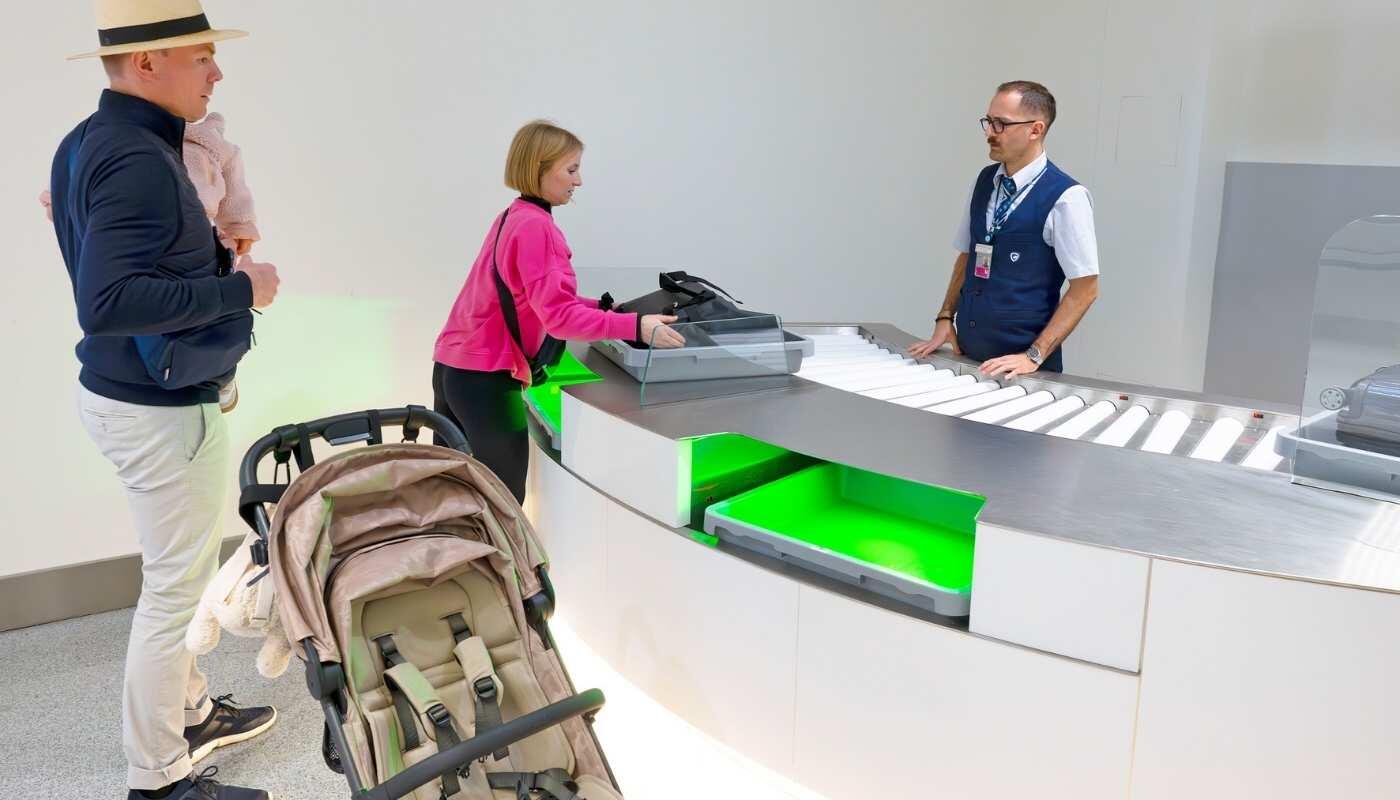
Travelers voluntarily wear the Sunflower lanyard to draw attention to their specific needs without having to repeatedly explain their situation or disclose details. Airport staff in the terminal recognize the symbol and know how to provide appropriate and patient assistance - whether at the terminal service desk, during check-in, at security and passport control, or during boarding. They offer straightforward assistance, answer questions, or simply take the time someone needs at that moment. In Terminal 2, the inclusive security checkpoint is now explicitly designated for Sunflower passengers. The area is more spacious, soundproofed, and staff accompany travelers if necessary.
So, is it about instilling a sense of security?
Exactly. Often, simply knowing that support is available when needed can be an enormous relief, as many passengers have told us. It's also important to note that travelers wearing the symbol aren't assisted by the Mobility Service in the same way as passengers with limited mobility. Furthermore, there is no entitlement to procedural advantages, such as access to the fast track. The lanyards are available free of charge at various locations throughout the airport, such as the information counters in Terminals 1 and 2, the Mobility Service Points, and now also in the Visitors Park.
What has been your experience with the Sunflower Initiative so far?
The response has been extremely positive. About ten new lanyards are handed out every day, and demand is steadily increasing. The Sunflower program gives those affected a sense of being seen and understood - for which many have expressly expressed their gratitude. This feedback really touches me. We're also receiving a lot of support internally; the entire team at the terminal is very committed to this issue. In addition, we're now receiving inquiries from outside sources, such as the City of Munich and the Olympic Park, who would like to discuss this with us.
What is particularly important to you?
For me, the sunflower is a symbol of understanding, consideration, and humanity. It reminds us that we never know what story a person is carrying with them at any given moment or what challenges they're facing. This is precisely the attitude I want to promote: being attentive, treating one another with respect, and not judging people too quickly. If the Sunflower Program helps travelers feel more at ease at Munich Airport, we've already achieved a great deal.
Thank you very much for the interesting conversation and the valuable insights.