Active noise protection

Exposure to aircraft noise

Compared to other major airports, Munich Airport performs very well thanks to its optimal location. The number of people affected by noise above 55 dB(A) (LDEN) at Munich Airport is only a very small fraction of those affected at other major airports. This was the result of both the 2017 noise mapping and the 2022 noise mapping in accordance with the EU Environmental Directive (see graph on the right).

Note: The figures in the 2022 noise mapping for different airports are based on different reference years. The reference year for Munich Airport was 2021, which was affected by Covid-19, while for the other airports it was 2019. 
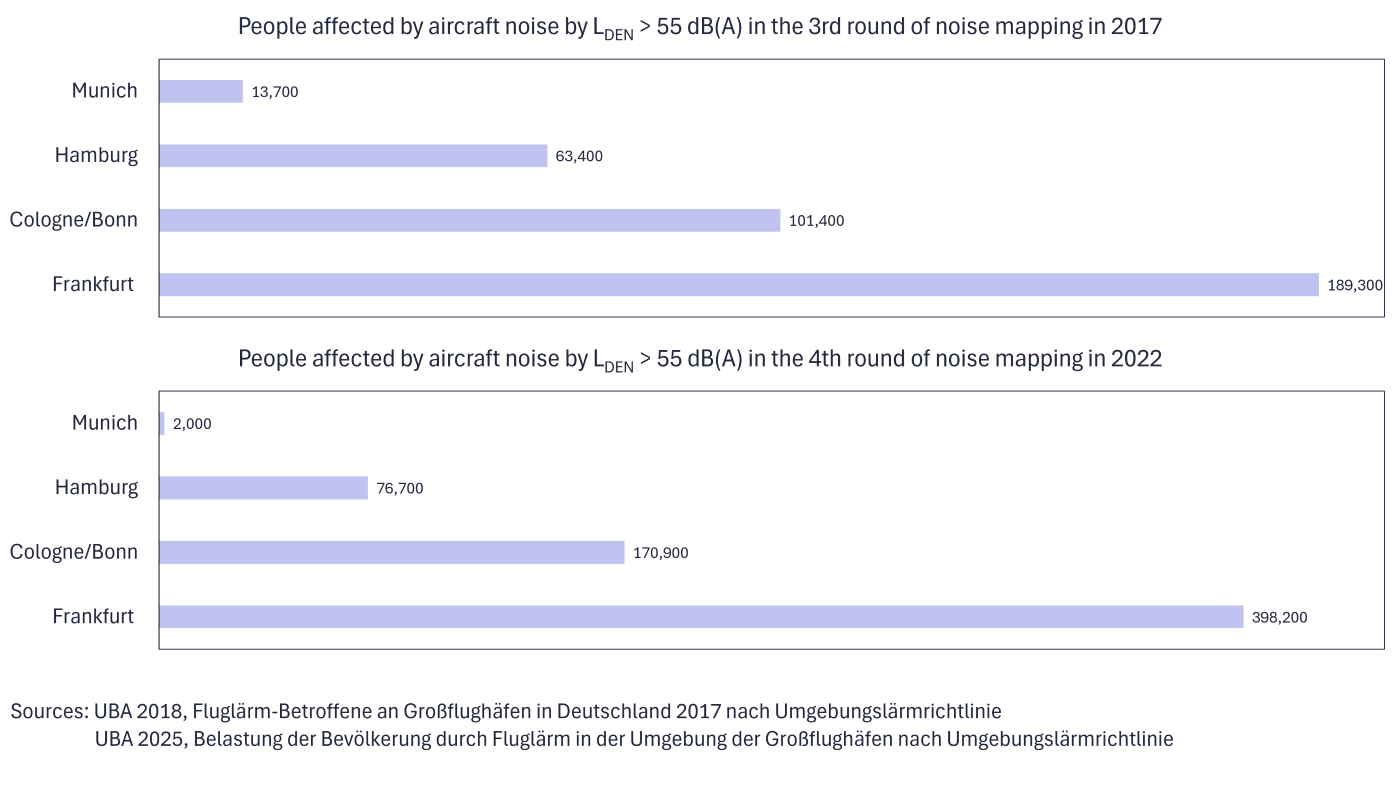
Residents affected by aircraft noise compared

People affected by aircraft noise

Noise-based basic charges

Munich Airport influences the aircraft used through noise-related charges. Airlines that use quiet aircraft benefit from a tiered, widely spread charging system. Different additional surcharges also apply for each hour of the night.

Quiet aircraft types

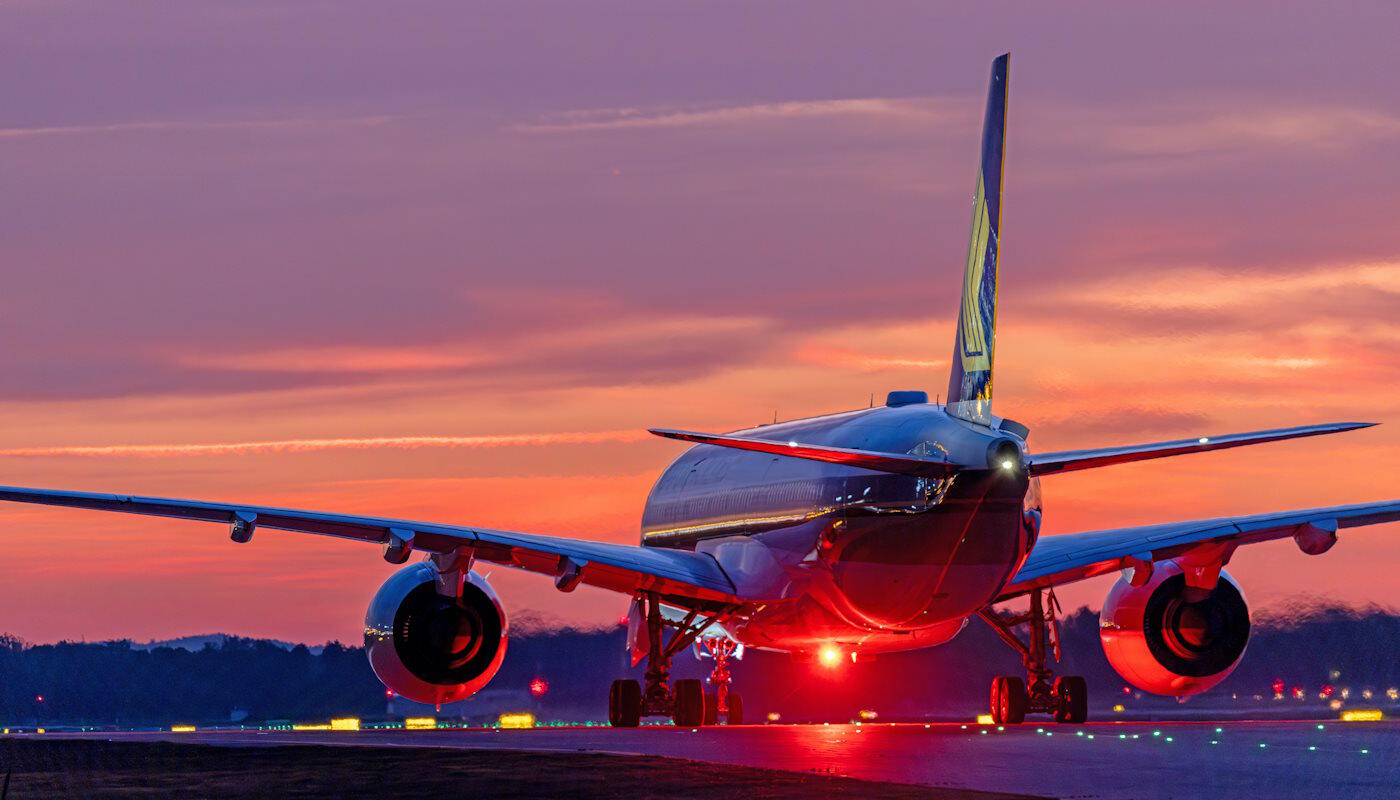
The use of new and modern aircraft types can significantly reduce

aircraft noise emissions, especially peak levels. This leads to lower aircraft noise pollution in the vicinity of Munich Airport.

That's are the quiet aircraft types

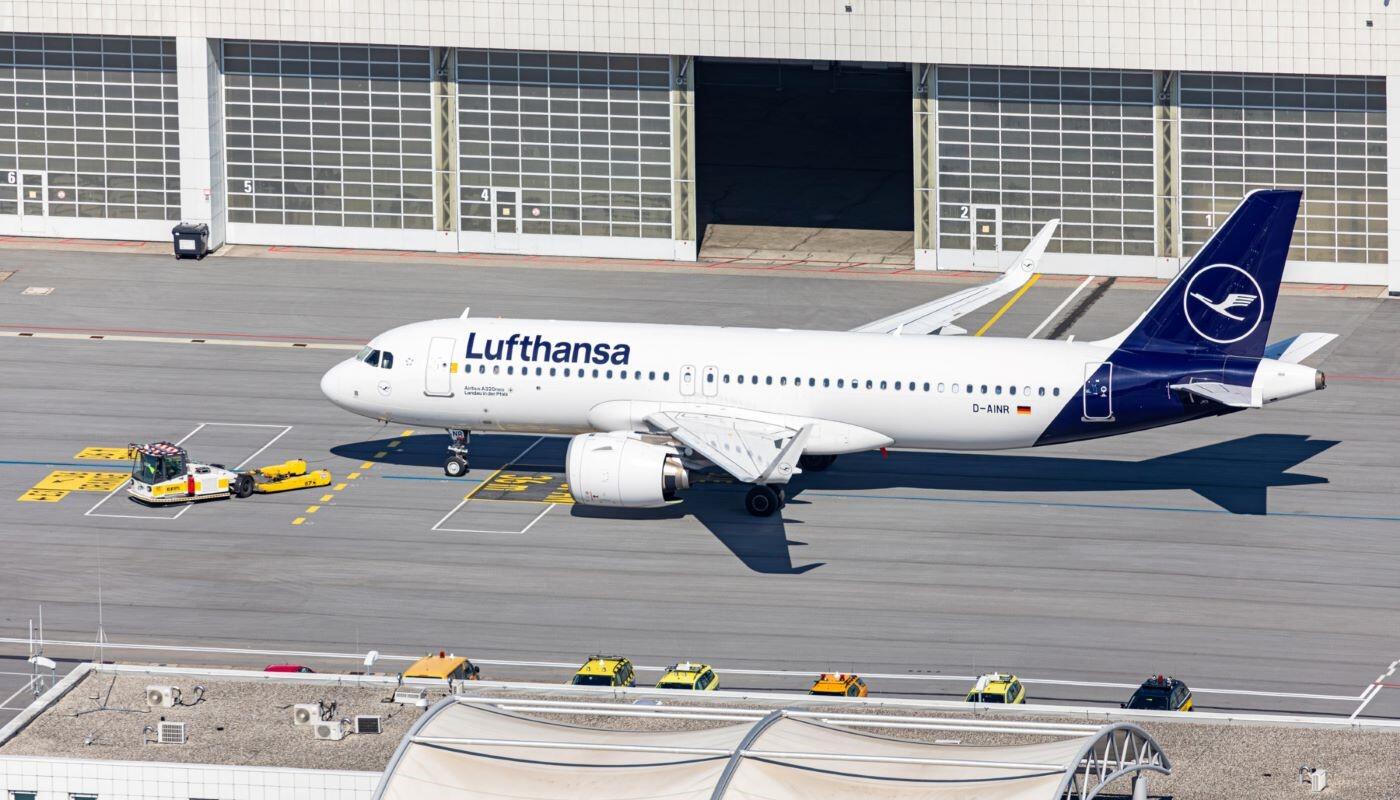
  • A320neo als modernes, geräuscharmes Flugzeug - Am 25. Januar 2016 nahm der Airbus A320neo seinen Linienbetrieb am Flughafen München auf. Der Zusatz "neo" steht für "new engine option", dahinter verbirgt sich der Einsatz innovativer Getriebefan-Triebwerke. Die neue Triebwerksarchitektur verursacht weniger Lärm. Aufgrund des hohen Wirkungsgrads wird zudem der Treibstoffverbrauch um 15 Prozent und damit der CO2-Ausstoß gesenkt.
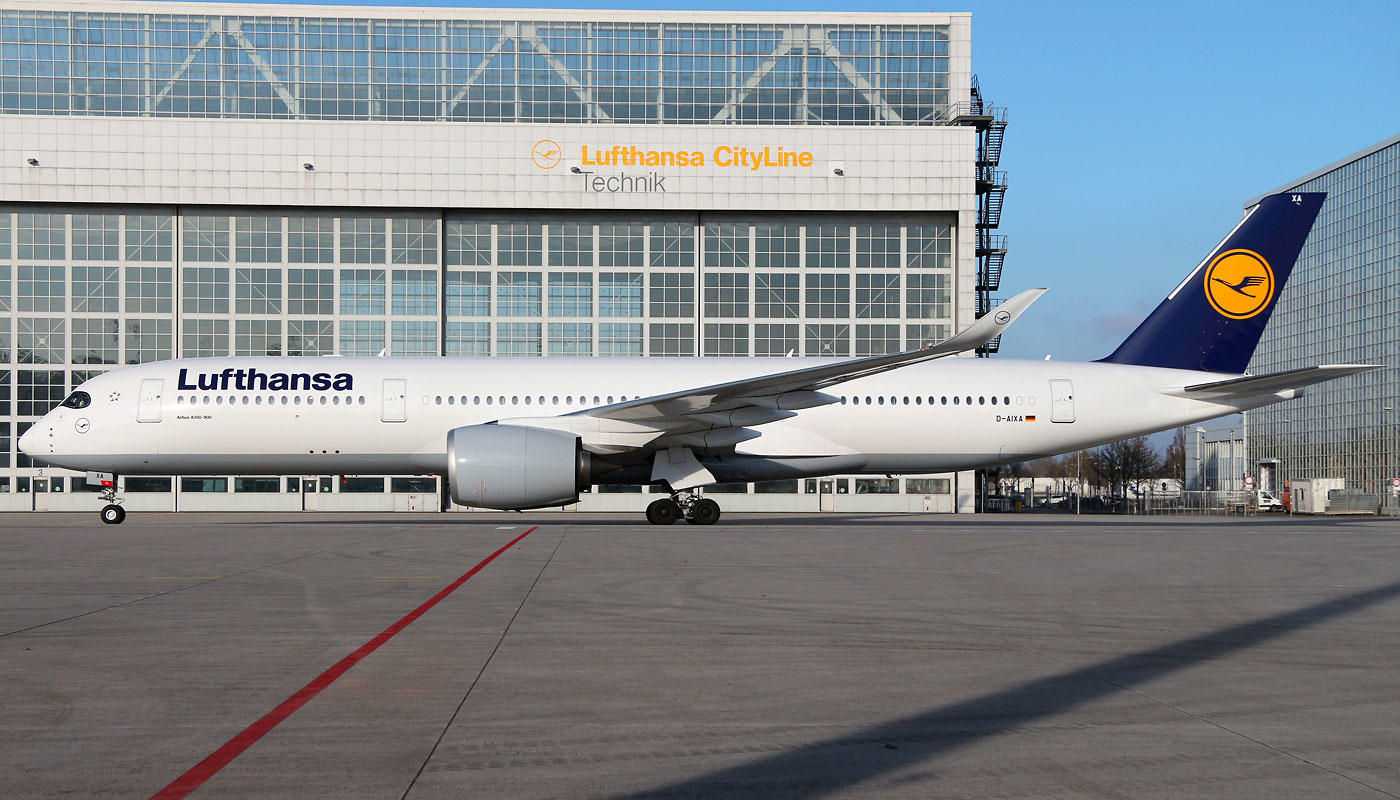
  • Der A350 löst den A340 ab - Nach und nach wird der Airbus A340 von dem Airbus A350 abgelöst. Noch im Jahr 2011 entfielen über 3 % aller Flugbewegungen am Flughafen München auf den Airbus A340. Im Jahr 2018 lag der Anteil des Airbus A350 erstmals über dem des Airbus A340. Seit 2020 liegt letzterer bereits unter einem Prozent.
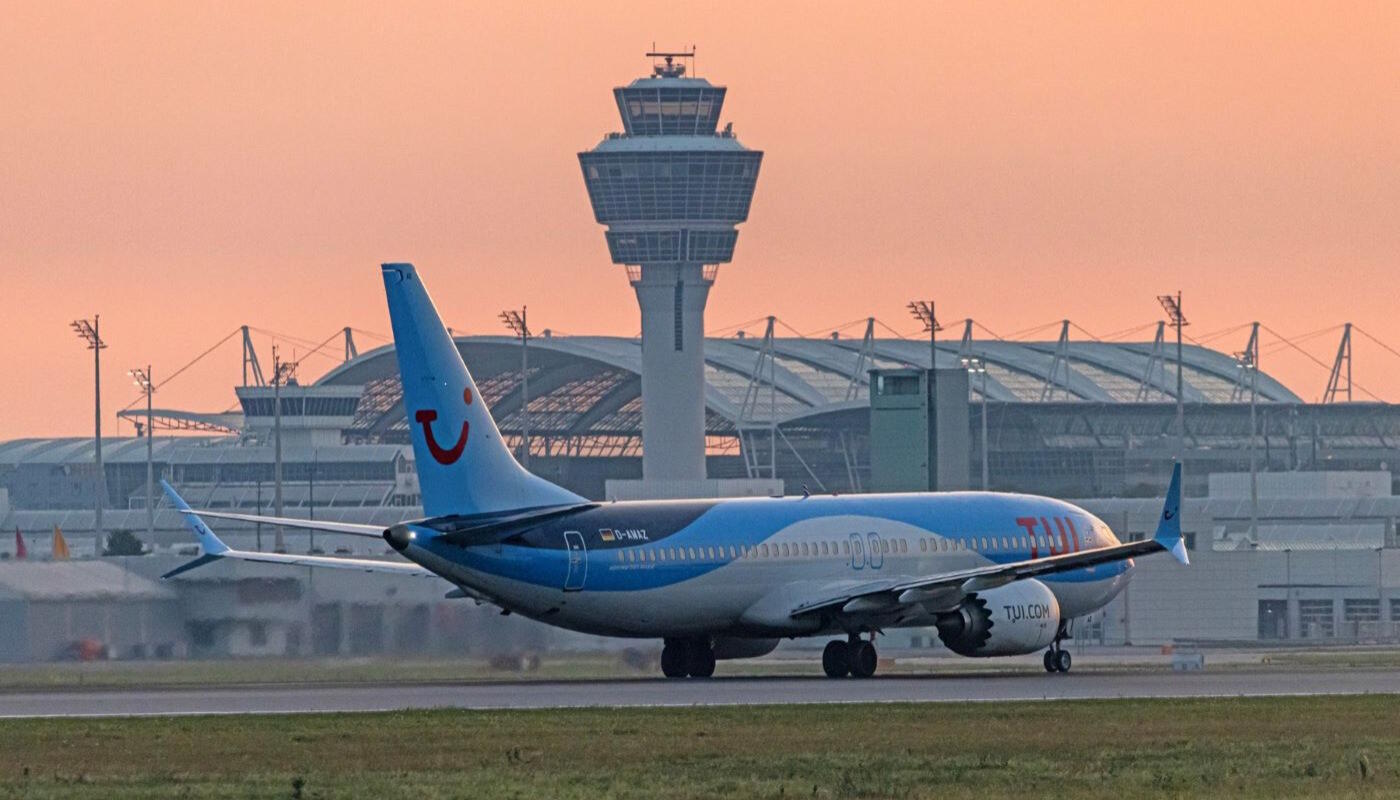
  • Generationenwechsel der B737 - Die Boeing 737 ist eine der erfolgreichsten Flugzeugfamilien mit inzwischen mehreren Generationen. Die erste Generation, etwa die B737-200, war mit Triebwerken ausgestattet, die im Vergleich zu heutigen Standards sehr hohe Lärmemissionen verursachten. Am Flughafen München sank der Anteil der B737-200 von über 8 % im Jahr 1993 bis auf null in den 2000er Jahren. Die zweite Generation (B737-300 bis -500) erhielt bereits verbesserte Triebwerke, wodurch die Lärmemissionen deutlich sanken. Mit der „Next Generation“ (ab der B737-600 bis -900) wurde dieser Fortschritt weitergeführt: beim Start ist die Boeing B737-800 um bis zu 7 dB(A) leiser als die Boeing B737-200. Die neueste Variante, die B737 MAX, führt diesen Trend mit nochmals effizienteren Triebwerken fort.

Long-term development of peak levels

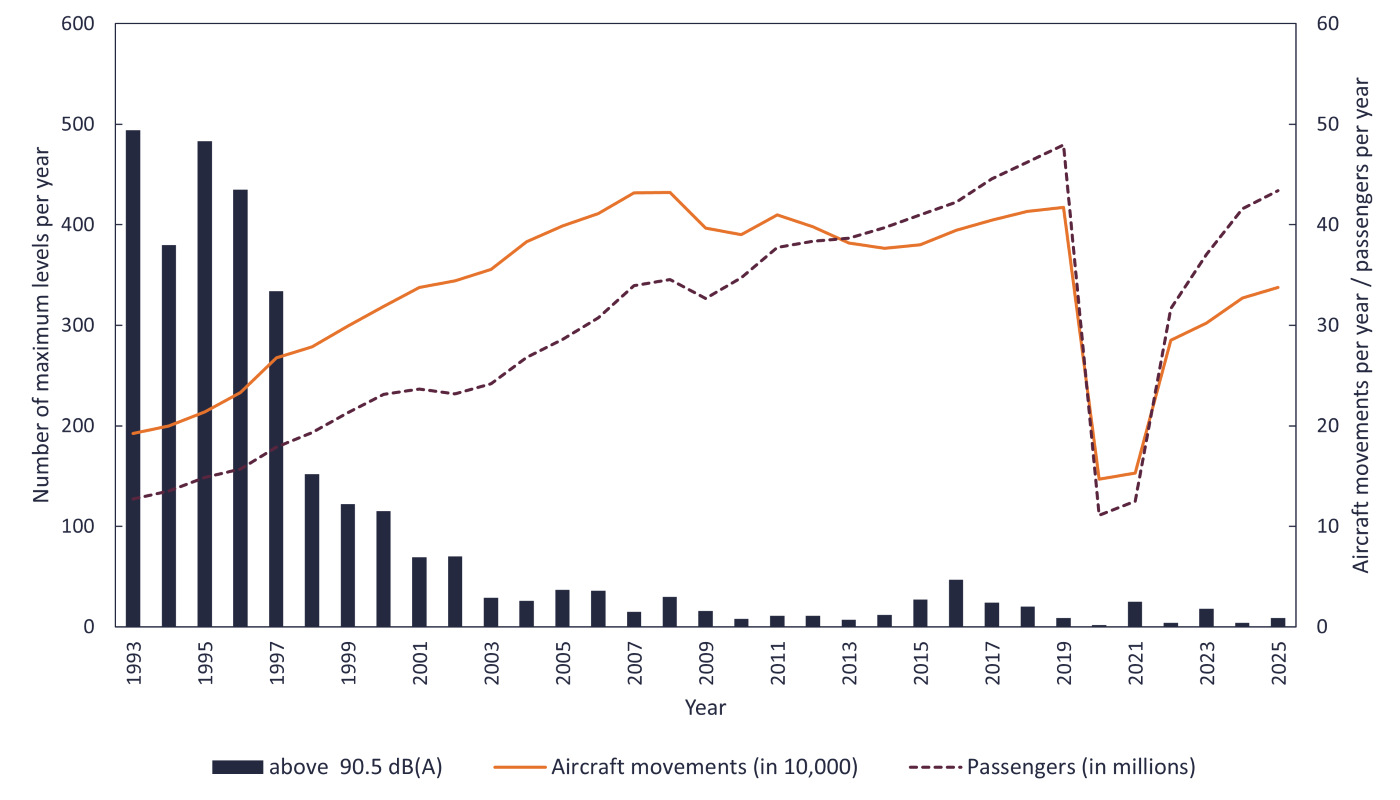
Aircraft noise at Munich Airport has developed significantly independently of the growth in air traffic over the past decades. The number of maximum noise levels above 80.5 dB(A) has declined over the decades (see right).

The number of maximum noise levels above 90.5 dB(A) has fallen particularly sharply. While up to around 500 of these high levels were still measured annually in the 1990s, the annual values are now in the low double-digit or even single-digit range (see right).

During the same period, the number of flight movements at Munich Airport has doubled, and the number of passengers has almost quadrupled.

Number of maximum levels above 90.5 dB(A) per year at stationary measuring points

Engine test runs

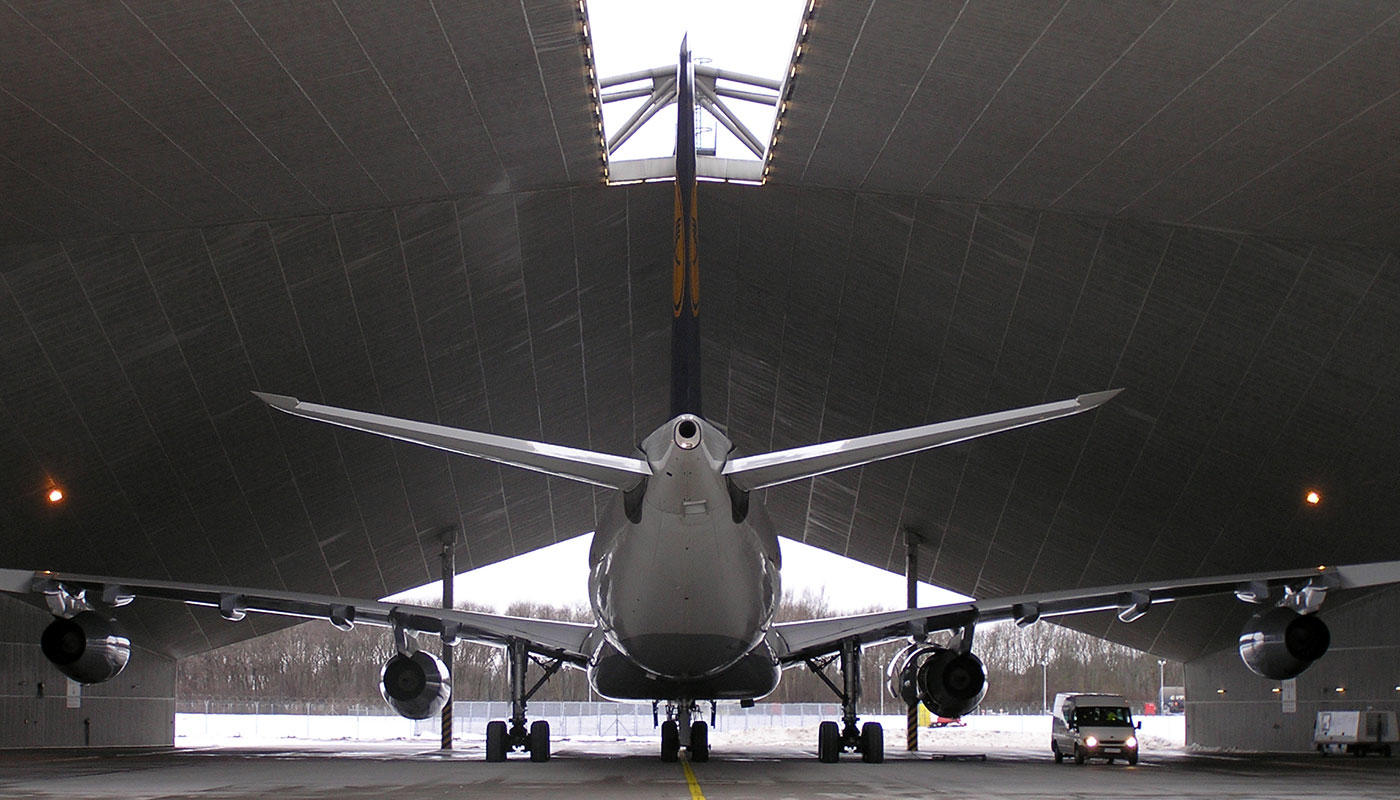
Engine test runs can be a significant source of noise on the ground. To avoid this nuisance, these tests are always carried out in a special noise protection hall at Munich Airport. This structure blocks the noise, limiting its impact on the surrounding area.

Pre-Conditioned Air (PCA)-Anlagen

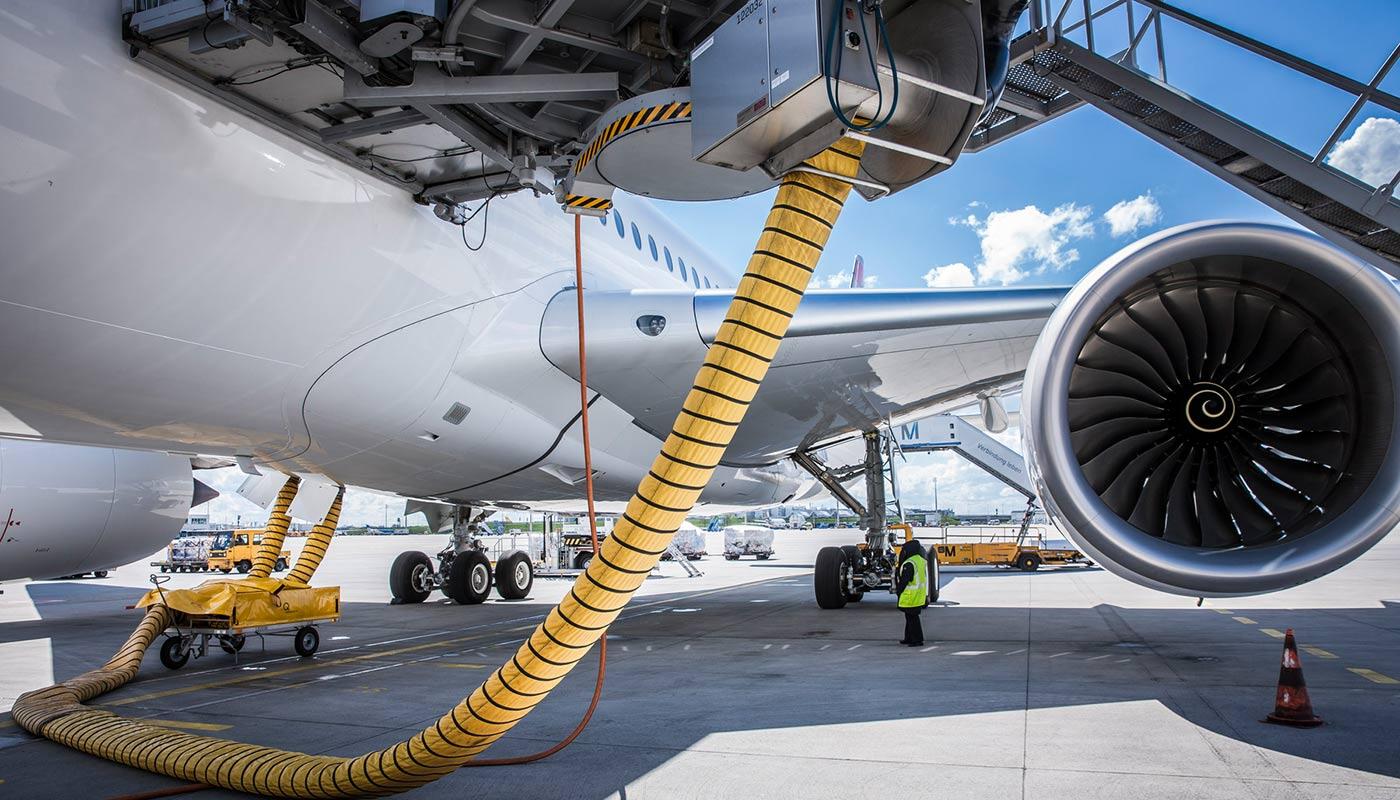
64 Pre-Conditioned Air (PCA) systems are used at Munich Airport to air-condition aircraft cabins at their parking positions. This eliminates the need for the auxiliary power units (APUs) previously used, and in particular the associated noise, unnecessary kerosene consumption, and CO2 emissions.

With the expansion of Terminal 1 to include the new pier, 12 additional PCA systems will be added.