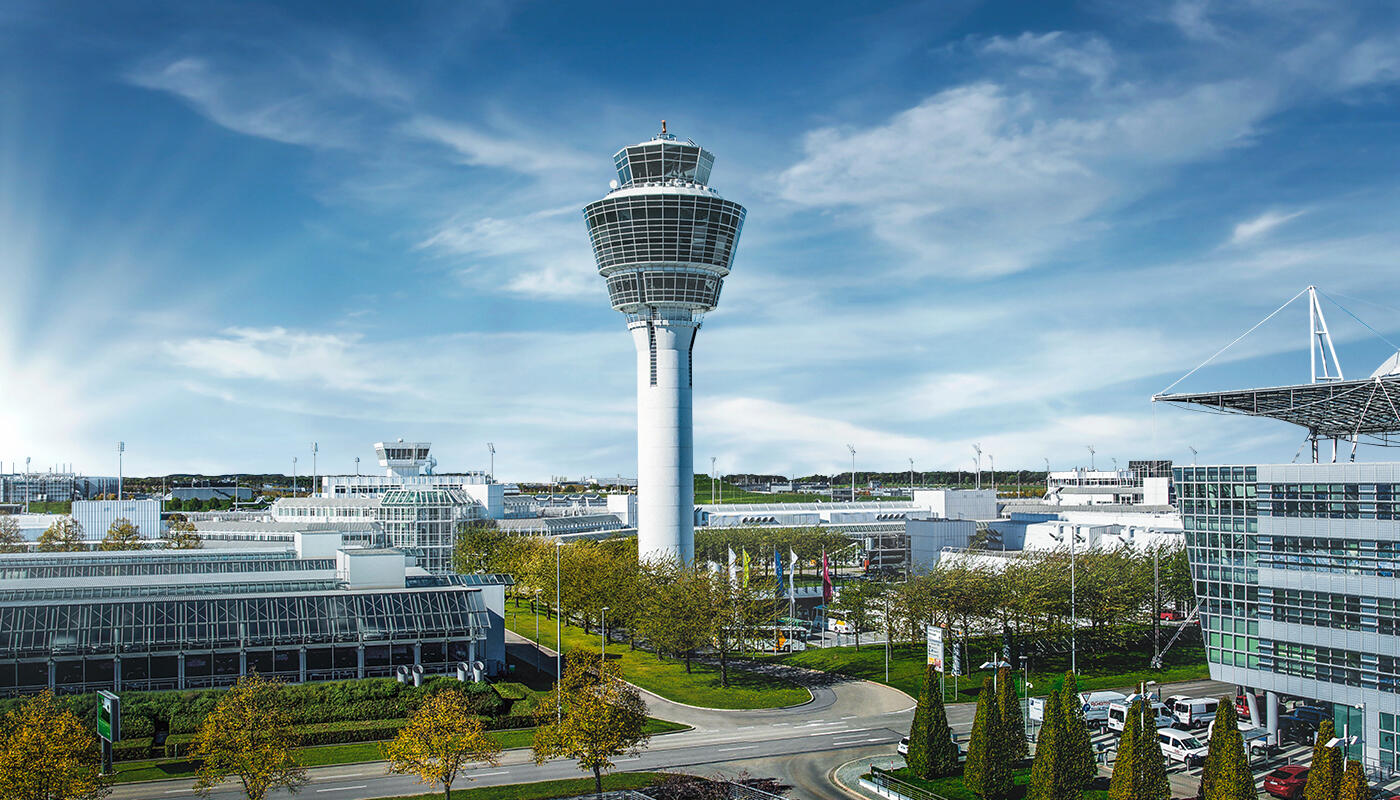
Sustainability is becoming a more and more important competitive and location factor in the air cargo industry. With its climate strategy “Net Zero 2035 (Scope 1 and 2),” Munich Airport is pursuing an integrated approach that encompasses both energy supply and operational infrastructure - directly addressing the evolving needs of the cargo sector.
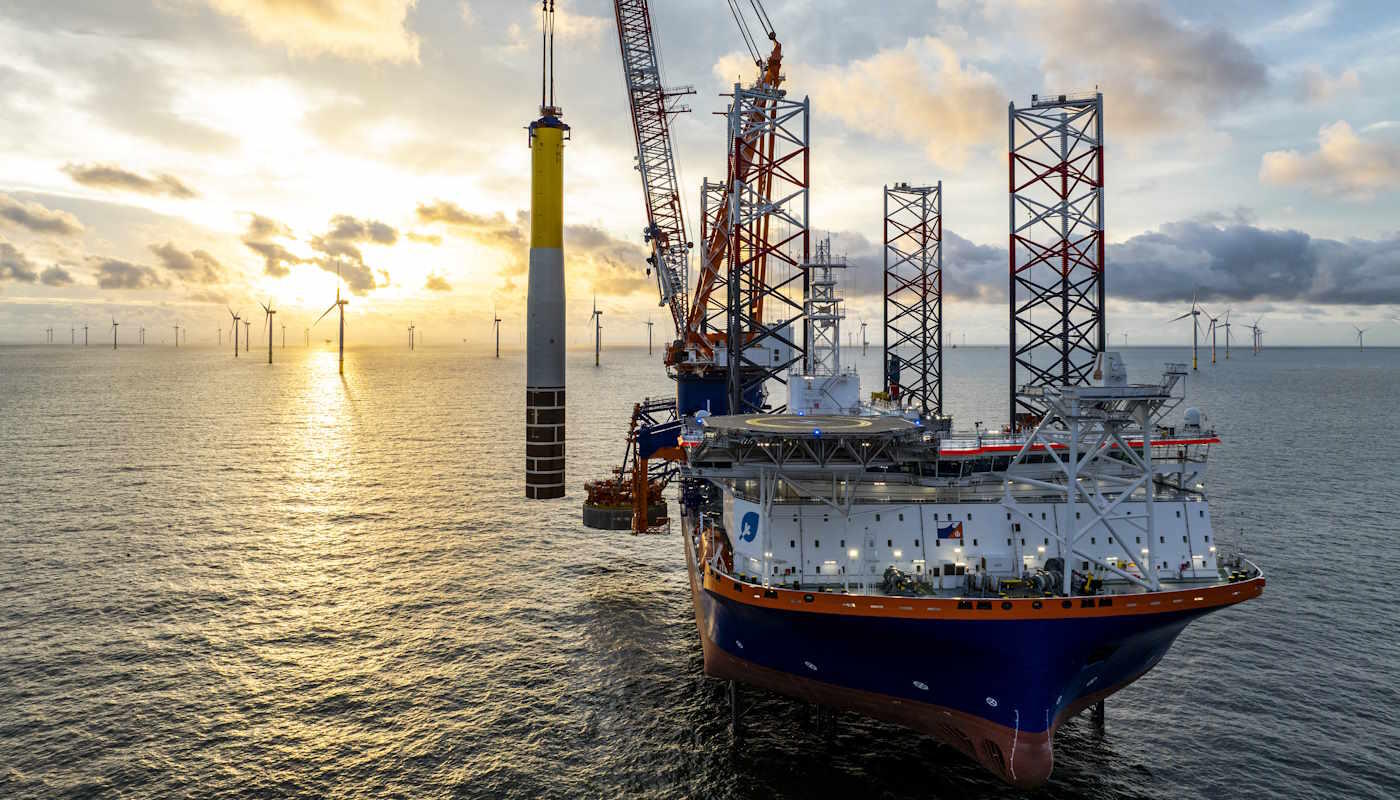
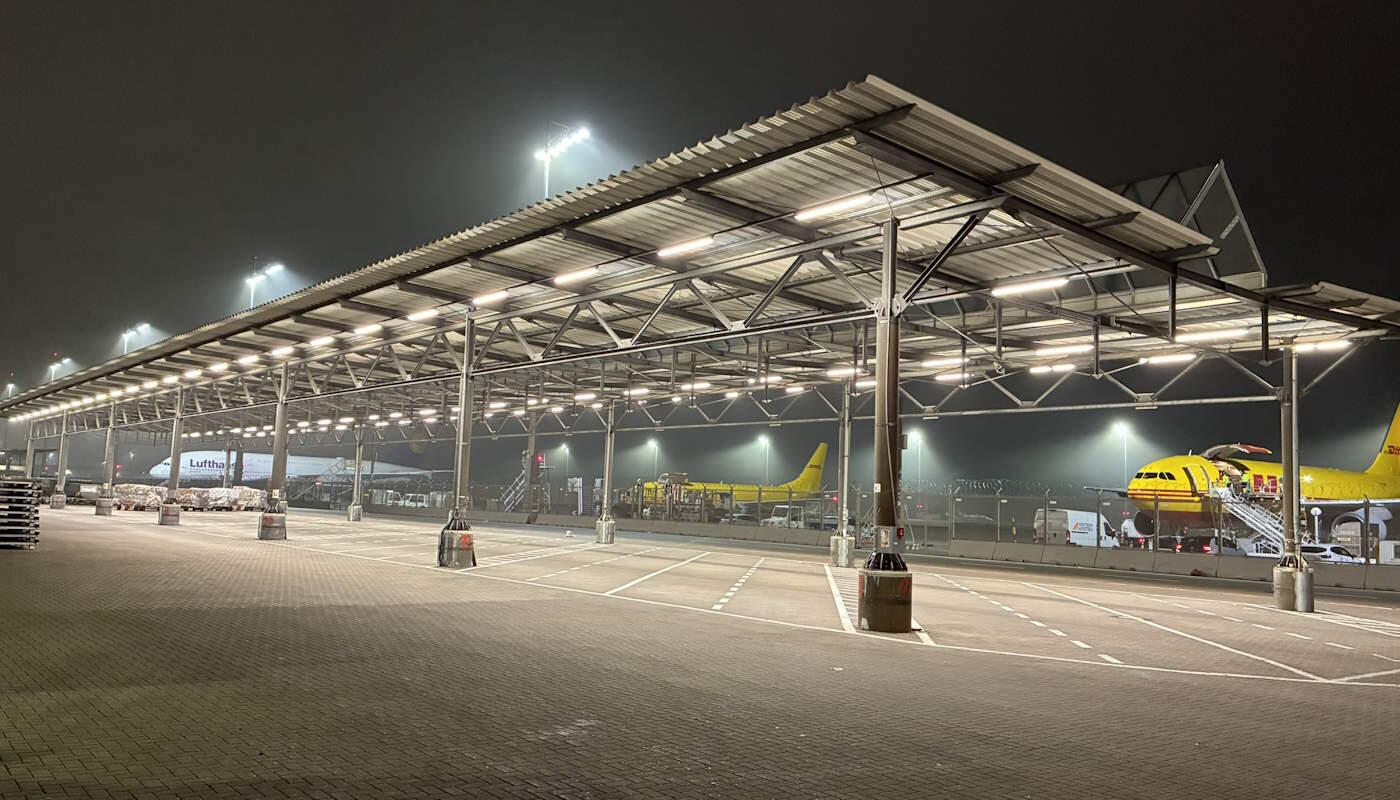
A key pillar of this strategy is securing renewable electricity in the long term. With the power supply agreement signed with RWE in February 2026, Munich Airport will source approximately 40 gigawatt hours of electricity annually from a new offshore wind farm in the North Sea starting in 2027. The ten-year agreement not only provides long-term planning certainty but also creates a stable, climate-friendly base for energy-intensive infrastructure - particularly buildings, apron areas, and logistics facilities within the cargo environment.
The resulting CO₂ savings of around 13,000 tonnes per year make a significant contribution to the decarbonization of airport operations. For cargo airlines and logistics partners, this development is becoming increasingly relevant, as sustainability criteria across the entire supply chain are gaining importance, from a regulatory perspective as well as in response to growing market expectations.